


Food sidestreams power new nutritional mycelium-based protein with better taste than soy


Key takeaways
- Researchers successfully grew high-quality fungal mycelium using food “sidestreams,” such as carrot and apple waste, creating a circular and efficient protein source.
- In taste tests, volunteers preferred 100% mycelium-based patties and sausages over traditional soy and chickpea alternatives for their better smell, taste, and texture.
- The mycelium protein offers a nutritional profile similar to plant and animal proteins but with lower fat content and high fiber.
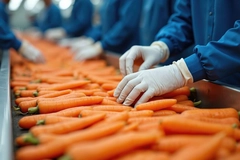
New research suggests that fungal mycelia are a sustainable protein source that is also tastier than food made from plant-based proteins. Its eco-friendliness stems from how it repurposes discarded materials from food production instead of relying on resource-intensive farming.
“This study is a significant step toward a circular economy by transforming valuable food side streams into a high-quality protein source, highlighting the potential of fungal mycelium in addressing global food security and sustainability challenges,” says corresponding study author Martin Gand from Justus Liebig University, Germany.
The publication in the Journal of Agricultural and Food Chemistry states that fungal mycelia offer similar nutritional benefits to plant-based protein.
Growing hungry population
With a growing global population, the need for healthy food with efficient manufacturing processes comes into focus, the researchers note. To illustrate, the UN has found that one in 11 people globally faced hunger in 2023.
This July, a review found that a healthy diet is unaffordable for 2.8 billion people worldwide, even when buying the cheapest possible products.
Meanwhile, persistent inflation has shaped people’s diets worldwide, driving up the cost of nutritionally dense foods, according to the latest State of Food Security and Nutrition in the World report. This issue is particularly noticeable in low-income countries, where food price inflation consistently outpaces overall inflation.
Nutrient-rich sidestreams
The researchers note that current food systems create side streams, which offer opportunities for upcycling. They also spotted that fungi have been growing on the side streams of foods, such as apple pomace and whey from apple juice and cheese manufacturing.
Instead of using the nutrients in sidestreams to grow fungi fruits, they focused on the mycelia, or mushroom root, which forms a network of fungal threads. These networks take less time and space to grow while still retaining a rich nutrient profile.
The team screened 106 fungal strains found in orange and black carrot side streams, produced during the making of natural colors. They checked which fungus grew better and produced the highest protein level.
Gand comments: “Utilizing side streams as substrate for mycelium production reduces environmental impact while adding value and supports food security by enabling an efficient and sustainable protein production.”
The researchers received funding from institutional resources and GNT, a natural food color manufacturing company.
Testing tastes
The research team selected the fungus Pleurotus djamor (pink oyster mushroom) and optimized conditions to boost its growth and yield. It turned out the fungus produced proteins with biological values similar to those of plant and animal proteins. The P. djamor mycelia also had less fat and were similar in fiber levels to other fungi.
In the test, the researchers produced vegan patties where the typical soy protein was replaced with 0%, 25%, 50%, 75%, or 100% mycelia.
Volunteers judged the samples based on texture, taste, and smell, and preferred the 100% mycelium patties to the 100% soy patties.
Additionally, the volunteers tasted vegan sausages made with soaked chickpeas or fresh mycelia. They generally preferred the smell and taste of sausages containing mycelium.
Nutrition Insight recently explored how the industry is developing next-generation, sustainable, plant-based active nutrition with Bioiberica, Cosun Protein, Gnosis by Lesaffre, HTBA, Lactalis Ingredients, Sensus, and Sirio Europe.
They discussed how sustainability issues in the dairy sector are giving rise to plant-based proteins, however, taste and texture remain drivers of innovation.
Last year, we also explored a review of mycelium’s potential in food systems, which concluded that these sustainable mushroom roots can help “end hunger and achieve food and nutrition security.”