




American Cancer Society finds food deserts and swamps expanding across US

Key takeaways
- Nearly five million US citizens lived in food deserts between 2003 and 2023, while fast-food-heavy food swamps increased significantly nationwide, reveals new research.
- New grocery stores opened primarily in well-served urban centers rather than the underserved rural and low-income areas needing them most.
- Limited healthy food access disproportionately impacts public transit users and impoverished communities, driving up chronic diseases like diabetes and obesity.

According to new American Cancer Society research, at least 4.9 million people in the US between 2003 and 2023 lived in food deserts, locations without grocery stores or access to healthier foodservice options in a half-mile radius. Meanwhile, up to 314 million people lived in food swamps — areas with mostly fast-food restaurants — which increased nationwide.
Nutrition Insight speaks to lead author Daniel Wiese, Ph.D., principal scientist of cancer disparity research at the American Cancer Society, about the findings published in the American Journal of Public Health.
“Our study found that between 2003 and 2023, the number of supermarkets and health food stores increased substantially across all states,” he tells us. “However, this growth was geographically uneven, as only about half of the states experienced a decline in the number of food deserts.”

“These findings suggest that current efforts to improve healthy food access have had mixed success. Many new healthy food retailers appear to have opened in already well-served, densely populated urban areas rather than in sparsely populated or underserved communities where access remains limited.”
As a result, he notes that improvements in food availability have not been distributed equitably across regions. “Increasing efforts to attract healthy food stores into underserved and remote areas may result in some progress toward improving access to healthy food.”
Limited transport hinders healthy eating
Researchers used longitudinal data on all licensed food retailers, geocoded to the census-tract level. They examined changes in the foodscape by estimating the percentages of tracts defined as food deserts and food swamps.
The results reveal a considerable increase in the percentage of food swamps (mostly restaurants or fast-food locations) and no significant progress in reducing food deserts (no grocery stores).
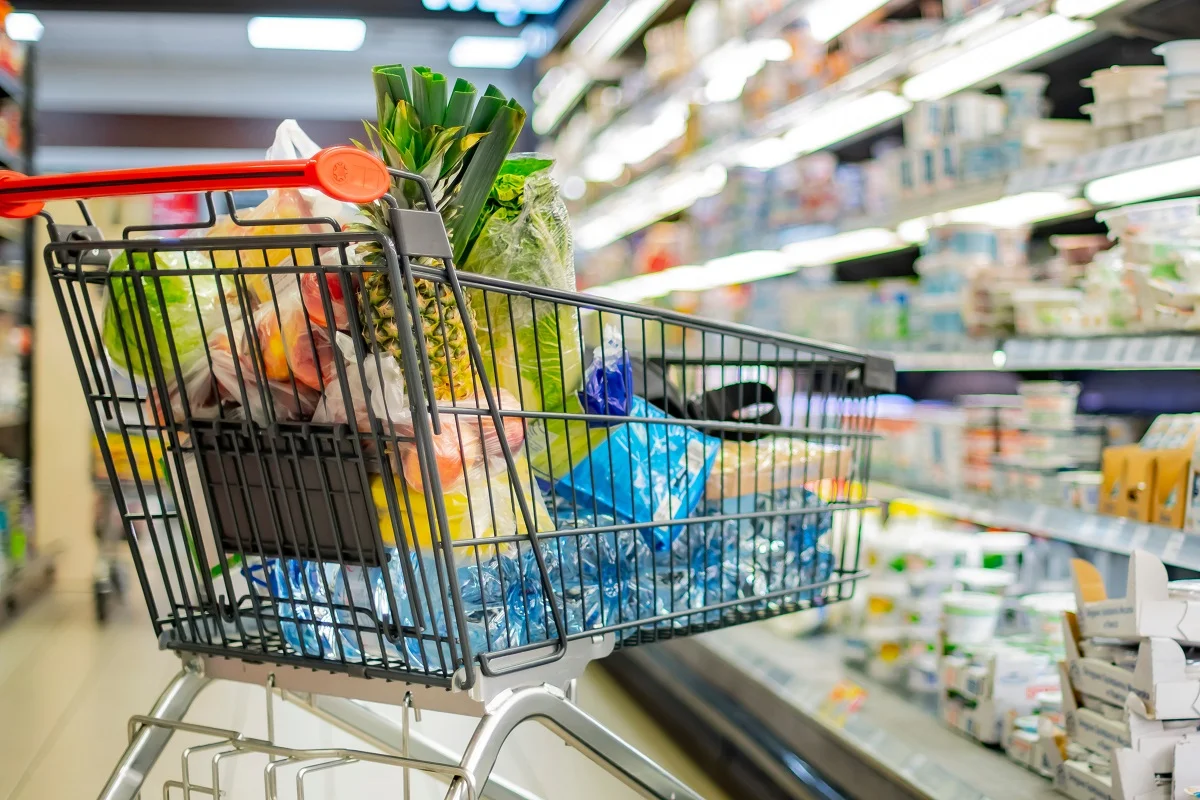 Access to healthy food has steadily declined over the last two decades.Access to healthy food has steadily declined over the last two decades. When looking at food options within a half-mile of local neighborhoods, the share of communities classified as food swamps surged from 80.2% to 88.5% between 2003 and 2023.
The number of food deserts declined slightly over the same period, from 6.1% to 5.5%.
However, across all years, the percentage of food deserts was substantially higher in rural and economically disadvantaged areas with persistent poverty and among those who used public transit.
They also found that access to grocery stores varies by mode of transportation. If only relying on public transit, over 7.4 million people would be living in food deserts instead of five.
“Populations most affected by limited access to healthy foods include residents of rural areas, communities experiencing persistent poverty, and households without reliable access to a private automobile,” details Wiese.
“These socioeconomically vulnerable populations often face additional financial and logistical barriers to obtaining fresh, nutritious food. Limited access to healthy foods may contribute to poorer diet quality and increase the risk of nutrition-related health conditions, including obesity, diabetes, hypertension, and cardiovascular disease.”
Targeting malnutrition from all angles
Wiese stresses that everyone in the US should be living in a food oasis rather than a food desert. He adds that Food is Medicine programs, such as medically tailored meals or produce prescription initiatives, and other nutrition interventions can play an important role in mitigating the health impacts of limited food access.
“These programs may help improve dietary quality and health outcomes among individuals living in food deserts and food swamps, even when structural barriers to healthy food access persist,” he underscores.
“We also hope that results from our study may help identify areas classified as food deserts or food swamps and support the strategic planning, targeting, and expansion of these interventions in communities with the greatest need.”
Ultimately, Wiese considers the lack of healthy food access an “unnecessary hardship” on the US population. He urges expanding public-private partnerships to establish healthy food retailers in food deserts as one way to help improve the foodscape quality.
“Areas with limited access to fresh, healthy foods may be less economically attractive to private companies due to lower population density, lower purchasing power, or higher operating costs,” he highlights. “Consequently, public-private partnerships between food companies and state or local governments may offer an effective approach to addressing nutrition gaps.”
“For example, initiatives such as the Healthy Food Financing Initiative and the Food Trust’s Pennsylvania Fresh Food Financing Initiative provide grants and low-interest financing to support the establishment and expansion of healthy food retailers in underserved rural and urban communities.”
Food deserts are a public health threat across other global metropolitan areas as well. One study in London, UK, revealed areas in the east and west of the city where residents’ diets are nutritionally inadequate based on purchasing data from the grocery store chain Tesco.