



Cow’s milk linked to better bone health and nutrition than plant-based alternatives, review finds


Key takeaways
- Research highlights cow milk’s unique physical structure of over 100 nutrients and bioactives that boost nutrient absorption and bone strength better than plant-based alternatives.
- The new study argues that plant-based drinks and calcium supplements cannot fully replicate the natural delivery system of dairy.
- Replacing dairy with plant-based alternatives in children’s diets can lead to severe nutrient gaps and developmental delays if not carefully managed, caution the researchers.
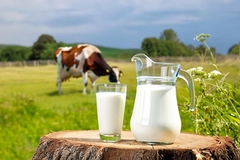
As a complex whole food, cow’s milk tops plant-based alternatives when supporting bone strength and the body’s nutrient absorption, according to study findings backed by the Global Dairy Platform.
Authors of the paper at Edith Cowan University, Australia, examined the “milk matrix” — the natural structure of milk that brings together nutrients, fats, proteins, vitamins, minerals, and bioactive compounds.
The study supports a “food first” approach to nutrition, where whole foods like milk are prioritized over supplements and heavily processed alternatives.
“Milk is more than just calcium, protein, and fat — it’s a complex whole food, and how its nutrients are packaged together is more important than initially thought,” says study co-author Therese O’Sullivan, professor at Edith Cowan University’s Nutrition and Health Innovation Research Institute.
The researchers highlight that milk contains more than 100 nutrients and bioactive substances, arranged in a unique physical structure. This structure affects how nutrients are digested and absorbed, how blood sugar responds after a meal, how fats affect cholesterol, and how the gut microbiome responds.
“It’s the way all the parts of milk interact that appears to link to many of its health benefits,” explains O’Sullivan.
The review authors defined “cow’s milk” as plain cow’s milk available for retail sale, excluding flavored milk drinks, dairy desserts, custards, or ultra-processed milk-based products.
Contending with plant popularity
While plant-based drinks are increasingly popular, due to their sustainability benefits, the research team argues they do not consistently match the nutritional quality or health outcomes associated with dairy milk.
In a previous report, the UK’s Scientific Advisory Committee on Nutrition disclosed that, as of early 2022, no almond, oat, or soy drink available in the UK was nutritionally equivalent to cow’s milk.
Researchers of the current review in Critical Reviews of Food Science and Nutrition found that regular milk consumption is linked to stronger bones and a lower risk of fractures, citing evidence showing up to a 43% reduction among people who drink one to two cups a day.
Meanwhile, calcium supplements that are often used to replace milk showed mixed results. The study authors reported that in some cases, it is associated with a higher risk of heart disease, particularly among older women.
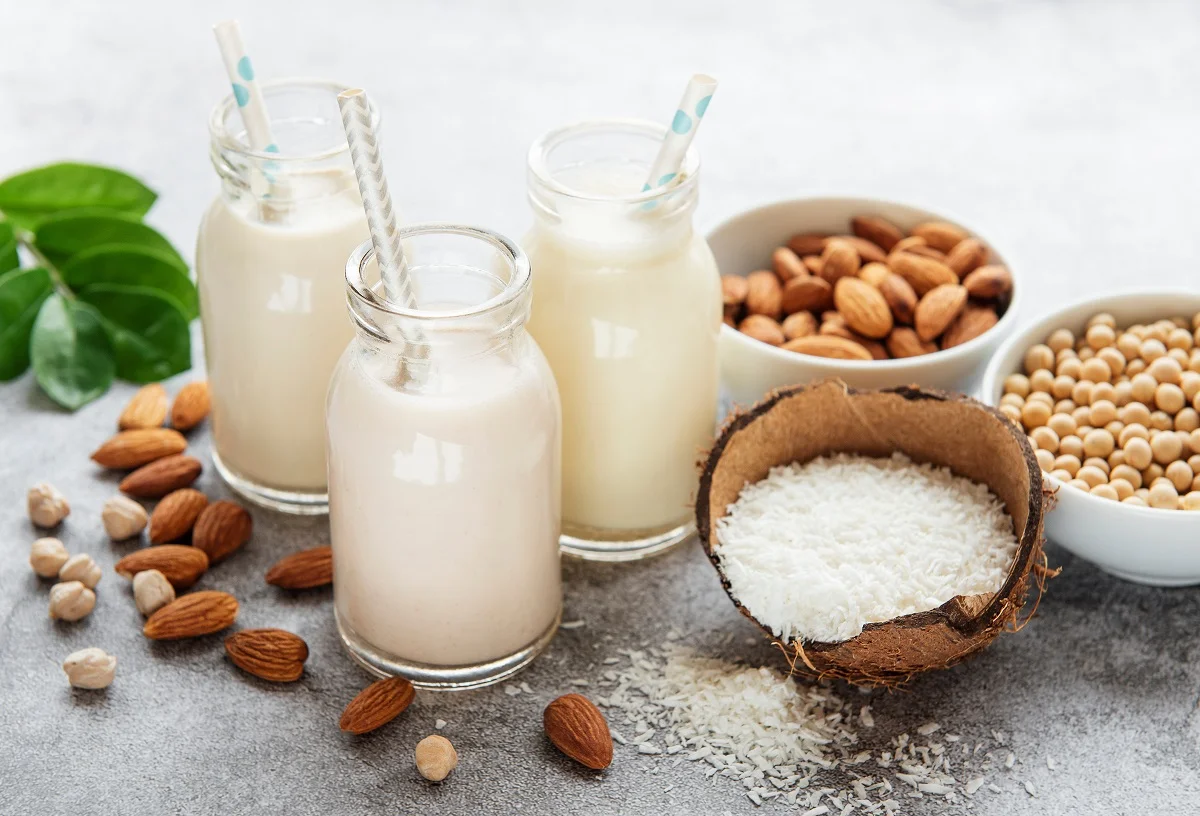 Plant-based milks often lack the natural, complex physical structure of dairy, making their fortified nutrients harder for the body to absorb, according to the study.According to the researchers, the difference boils down to the way nutrients are delivered.
“Milk provides a natural package of nutrients that work together,” says O’Sullivan. “Calcium in milk is combined with protein, phosphorus, and other components that help the body absorb and use it efficiently. This is something that plant-based drinks and supplements cannot fully replicate.”
Moreover, the team found that fermented milk products appear to offer extra health benefits compared with unfermented milk, which they say is likely due to bioactive compounds produced during fermentation.
Impact on children’s health
The current paper suggests that the nutrients added to various fortified plant-based milks — such as soy, almond, oat, and rice — may not be as easily absorbed as those present in cow milk. The authors found that many of these products also contain added sugars, oils, or stabilizers to improve taste and texture.
In the context of early life development, the research flags concerns about the growing trend of replacing dairy with plant-based alternatives for children.
“There is a common perception that plant-based drinks are automatically healthier, but that’s not always the case,” says Analise Nicholl, a dietician at the Exercise Medicine Research Institute.
“For some groups, especially children, omitting dairy products without careful planning can lead to nutrient gaps, particularly in protein, calcium, iodine, and vitamin B12 needed for growth and development. Deficiencies can leave children vulnerable to conditions such as protein-energy malnutrition, rickets, scurvy, goiter, and developmental delays.”
“Milk remains one of the most accessible and effective ways to deliver essential nutrients,” concludes Nicholl. “As consumer choices evolve, it is critical that people have clear, accurate information to make informed decisions about their health.”
At the same time, a recent review highlighted the anti-inflammatory potential of plant-based diets over omnivorous diets. The UK researchers analyzed seven randomized controlled trials that involved 541 participants, and argued that plant-based diets provide anti-inflammatory effects that persist without exercise.