


New cholesterol guidelines push plant-forward diets, but US meat myths persist


Key takeaways
- Updated 2026 ACC/AHA guidelines prioritize Mediterranean, DASH, and vegetarian diets as first-line treatment for high LDL cholesterol.
- One in five US adults does not know diet affects cholesterol — and many wrongly believe chicken and lean red meat are heart-healthy.
- Plant-based proteins beat all animal proteins for lowering LDL, with the added bonus of fiber and lower grocery costs.
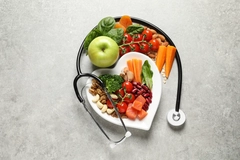
Cardiovascular health is increasingly demanding attention as it is attacked through multiple affronts. Amid this backdrop, Nutrition Insight speaks with the American College of Cardiology (ACC), which has recently co-updated the dyslipidemia management guidelines, focusing on lifestyle interventions and earlier detection.
Dyslipidemia refers to the abnormal levels of lipids or lipoproteins in the blood, including cholesterol and triglycerides.
Furthermore, one in five US adults are unaware of the connection between diet and cardiovascular risk, according to our conversation with the Physicians Committee for Responsible Medicine (PCRM). The nonprofit touts evidence backing plant-based diets for more protected heart health.
The biggest change to the guidelines
The guideline update includes a newer cardiovascular disease risk calculator to more effectively prevent atherosclerotic cardiovascular disease (ASCVD), caused by a buildup of fats in the arteries and the leading cause of death globally, warns guideline co-creator the American Heart Association (AHA).
The nonprofit also highlights that one in four US adults has high levels of low-density lipoprotein cholesterol (LDL), which raises heart attack and stroke risk.
Eugenia Gianos, chair of the ACC council for the Prevention of Cardiovascular Disease, tells us: “The biggest change to the 2026 ACC/AHA/Multisociety Dyslipidemia Guideline is the approach to optimizing lipids early in life through lifestyle and, when appropriate, medical therapy with the goal of maintaining lipid levels ‘lower for longer.’”
“There is also a return to specific lipoprotein goals based on patient risk that places an important focus on goal attainment,” she adds.
Healthy lifestyle approach
As the new guidelines emphasize a healthy lifestyle as the first step, Gianos explains that it recommends the Mediterranean, DASH (Dietary Approaches to Stop Hypertension), and vegetarian diets as being key to reducing LDL cholesterol and reducing heart attack and stroke risk.
 AHA flags that one in four US adults has high levels of LDL, which raises heart attack and stroke risk.“These recommendations were made based on substantial evidence that predominantly plant-based diets provide the greatest benefit for heart disease event reduction.”
Other lifestyle changes include maintaining a healthy weight, conducting regular exercise, avoiding tobacco, sleeping well, and taking cholesterol-lowering medications when health care experts recommend it.
Many people still follow extreme diets like keto or focus only on dietary cholesterol. Gianos, who is also the system director of Cardiovascular Prevention at Northwell Health, explains that the new guidelines specifically mention that such extreme diets potentially spike high LDL cholesterol levels.
“It also specifically recommends limiting saturated fat, which has a greater impact on raising LDL cholesterol than dietary cholesterol,” she adds.
“Nutrition and a healthy lifestyle are heavily emphasized in the guideline, whether used in isolation or in conjunction with medical therapy. A healthy diet can often aid in achieving a lipid goal when used with medical therapy and can also have health benefits for cardiovascular event reduction above and beyond improvement in lipoprotein levels.”
Awareness of diet links to blood cholesterol levels
Meanwhile, a new poll by the PCRM has found that one in five US adults is unaware of the link between diet and blood cholesterol levels. It involved 2,200 participants, surveyed in May this year.
Approximately half of the surveyed individuals correctly knew that beans, whole grains, and soy products reduce cardiovascular risk. However, 36% believed that chicken does as well, while 26% said lean cuts of red meat helps reduce the risk. Eighteen percent wrongly thought that chicken or eggs were heart-healthy.
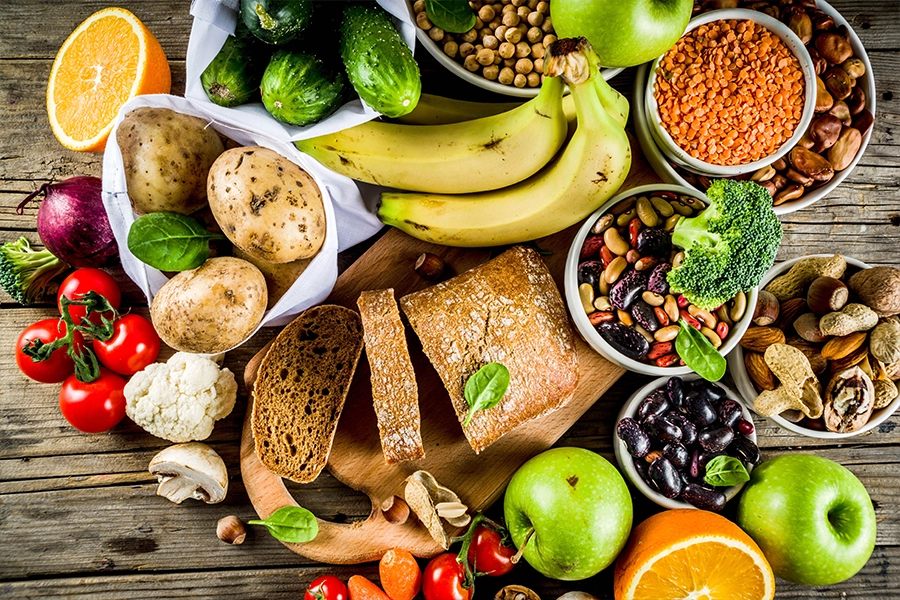 Gianos explains that the guidelines recommend the Mediterranean, DASH, and vegetarian diets.The health organization warns that US citizens consume over 100 lbs of chicken annually, which is over double the amount eaten in 1980.
Registered dietitian Anna Herby tells Nutrition Insight that meat and other animal products contain saturated fat and cholesterol. “Dietary cholesterol can raise blood levels of cholesterol in many people, and research reliably shows that saturated fat is a significant driver of higher cholesterol levels.”
PCRM highlights that chicken raises cholesterol levels as much as red meat, while 60% of calories in eggs are from fat, most of which is saturated fat.
Additionally, Herby underscores that fiber is essential in lowering cholesterol, as it binds it in the gastrointestinal tract for excretion. Fiber also triggers the liver to decrease cholesterol production through microbiome changes.
“Essentially, fiber pulls out excess cholesterol from the body and also helps the body to create less. No matter how lean the animal product may be, it will not contain fiber. Therefore, consuming any type of animal product in place of a plant-based protein is a lost opportunity for fiber to help the body manage cholesterol levels,” she details.
Evidence backing heart-healthy diets
Herby spotlights a few studies showing the effects of animal products compared with plant foods on cholesterol levels.
For instance, a meta-analysis of 30 high-quality randomized controlled trials from the last 43 years revealed that vegetarians and vegans significantly reduce total and LDL cholesterol.
 PCRM warns that US citizens consume over 100 lbs of chicken annually, which is over double the amount eaten in 1980.“Researchers reviewed 49 observational and intervention studies that compared vegetarian and vegan diets with omnivorous diets and their effects on plasma lipids. Vegetarian diets lowered total cholesterol levels, as well as LDL and HDL (high-density lipoprotein) levels, when compared with omnivorous diets. The greatest benefit on lipid levels was seen in those who followed vegan diets.”
“A randomized controlled trial divided participants into a low- or high-saturated-fat diet and alternated protein sources among red meat, white meat, and plant proteins. Results showed that when participants consumed either red or white meat, they had higher LDL cholesterol levels than when those participants consumed non-meat sources of protein, regardless of saturated fat intake.”
There was no significant difference between the white and red meat groups, adds Herby, revealing that neither meat can reduce cardiovascular risk. “Choosing plant protein sources has the greatest benefit.”
“Additionally, a randomized controlled trial of 22 identical twin pairs showed significant improvement in LDL cholesterol in those following a vegan diet compared with those consuming a healthy omnivorous diet.”
“Even plant-based meat alternatives show a benefit to cholesterol levels compared with their animal-based counterparts,” says Herby.
Secondary benefits of a plant-based diet
Plant staples like beans, lentils, and soy milk can replace meat and dairy and cut grocery costs, suggests Herby.
She shares: “Clinicians should mention a plant-based diet as the first line of attack for lowering cholesterol levels. It’s an easy and effective strategy, and the secondary benefit is that it can help with patients’ budgets as well.”
“By replacing meat, eggs, and dairy with plant staples such as beans, lentils, and soy products — think tofu and soy milk — patients’ budgets can stretch further. Choosing frozen fruits and vegetables is another way to reduce the grocery bill, and these foods are just as nutritious as the fresh variety.”