



Proactive pet care: Lonza Capsugel reveals collagen’s joint health benefits for dogs


Key takeaways
- As pets are increasingly humanized, owners are prioritizing proactive joint health to ensure long-term mobility and comfort, especially as pets age.
- Lonza Capsugel highlights UC-II undenatured type II collagen as an effective, science-backed ingredient to support joint health and improve mobility in pets.
- The pet nutrition market is shifting toward science-backed, multi-ingredient formulations that target joint health and broader wellness needs for pets.

As pets are often considered part of the family, they are becoming increasingly humanized. Lonza Capsugel notes that owners are focusing more on ensuring their furry friends’ long-term health, mirroring their own healthy lifestyles. Within this space, the company shines a light on ensuring joint health and mobility, which are common conditions among aging pets.
Lonza Capsugel cautions that osteoarthritis is one of the most common causes of chronic pain in companion animals. However, most pets aren’t diagnosed until their senior years. As joint discomfort likely starts earlier, proactive joint health is increasingly important.
Nutrition Insight explores joint health and mobility opportunities in the pet nutrition market with Hanna Charron, associate director of Health Ingredients Product Management at Lonza Capsugel.

“As part of this growing humanization of pets and ‘pet parenting’ trend, owners are taking a more proactive approach to long-term health — placing greater emphasis on quality of life, mobility, and comfort as their animals age.”
“Joint health has become a particular focus, especially as joint conditions may affect up to 40% of dogs under the age of four and 80% of dogs over eight years old. Owners, therefore, want products that can help support their pet’s long-term mobility.”
Charron notes that weight management also plays a role. According to a 2024 survey from the Association for Pet Obesity Prevention, 35% of dog owners and 33% of cat owners reported their pets were overweight or had obesity, compared to 17% and 28% a year earlier.
 Charron says that joint health has become a particular focus, especially as joint conditions may affect 80% of dogs over eight years old.“Some estimates suggest the prevalence is greater,” she continues. “For example, a US survey reported that up to 59% of dogs are obese or overweight.”
“Obesity can have a significant impact on the joint health of pets, just as it does in humans. Excessive weight puts additional stress on the joints, leading to a higher risk of joint problems and exacerbating existing conditions.”
She says that combined, these factors explain why mobility and joint support are central to proactive pet care — helping animals stay active throughout their lives.
Synergies between human and pet nutrition
The growing humanization of pets also drives more pet owners to reflect their own lifestyles onto their pets, says Charron. These include dietary preferences and health and wellness goals, based on the assumption that what is good for them is good for their pets.
“As such, top health trends in the human market are often mirrored in the pet’s arena, as seen with the growing focus on healthspan, where mobility and joint health emerge as top priorities.”
Humanization also drives a premiumization in pet nutrition, she adds. “Since promoting overall health has become a priority for pet parents, an increasing number of individuals are willing to pay a premium for nutrition supplements that are effective, science-backed, and safe for their beloved animals.”
“As pet parents increasingly seek convenience, we expect a growing appetite for all-in-one solutions that address joint health alongside broader wellness needs. Brands can meet this demand by incorporating formulation-friendly joint health ingredients, like UC-II undenatured type II collagen, into multi-benefit, holistic health solutions.”
Joint health signals
As “master disguisers of nuisance,” pets display subtle signs of joint discomfort. For example, Charron suggests they may become less playful, not wanting to jump or run, and be more cautious before jumping on the sofa or climbing stairs.
“Pets will also appear ‘stiff’ after rest and may be slower than usual until they gradually loosen up,” she continues. “For animals that regularly groom themselves, owners may notice their pets doing this less and less. While joint discomfort is more common in older pets, everyday activity can contribute to wear and tear at any age.”
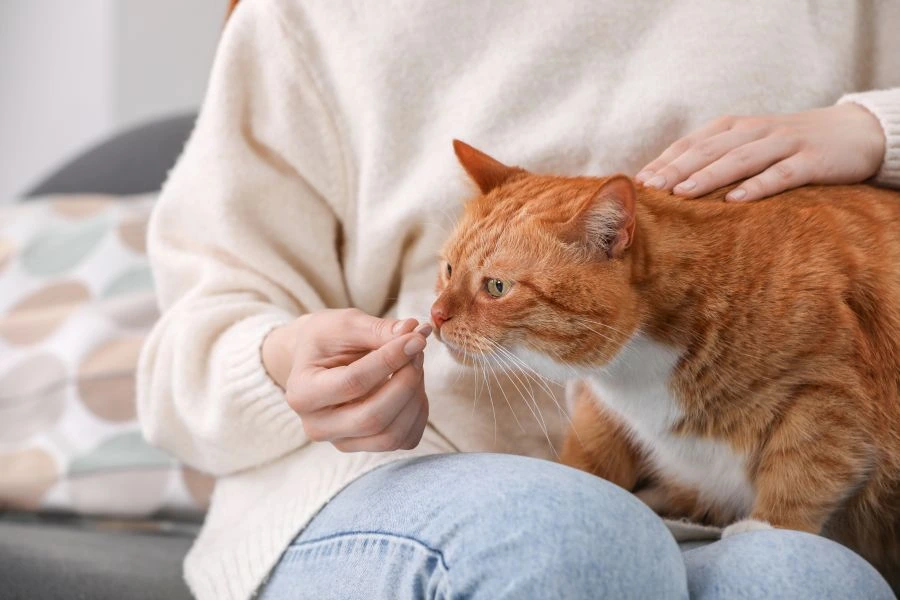 Rather than speculating and waiting for joint concerns to appear, owners can introduce joint health supplements earlier in life.She advises pet owners to know their furry friends’ behaviors to help identify when something is outside of the norm. “As such, rather than speculating and waiting for joint concerns to appear, owners can introduce joint health supplements earlier in life to help get ahead of potential challenges.”
As dominant ingredients in the pet joint health supplements market, Charron points to glucosamine and chondroitin, methylsulfonylmethane, omega-3 fatty acids, and hyaluronic acid. Moreover, she says that vets are also recommending collagen alongside plant-based extracts — such as Boswellia serrata and green tea.
Spotlight on collagen
Charron says that collagen is gaining recognition from health-conscious pet parents, likely due to its rising popularity in the human market. Collagen exists in various types, with type II being particularly important for joint health.
She says that type II collagen is the major supporting structural protein of articular cartilage, making it a potent nutrient for mobility and joint health. This type also makes up the main share of the joint health market.
“Lonza Capsugel’s UC-II undenatured type II collagen ingredient for pets is particularly effective for supporting joint health due to its preserved structure, which enables its unique mechanism of action — triggering the immune system to help support the body’s natural cartilage repair process and promote the building of new cartilage.”
Although the mechanism of action studies were not completed in pets, studies on other animals indicate that it involves supporting a normal inflammatory response and maintaining cartilage integrity.
Charron says that Lonza’s UC-II undenatured type II collagen is the most researched brand on the market as of January 2026 and is backed by over two decades of research. Studies show that one daily dose of 40 mg delivers joint health and mobility benefits in healthy dogs and those with osteoarthritis.
“For example, studies have shown that UC-II undenatured type II collagen supports joints and connective tissue, helping to maintain and improve flexibility and mobility,” she details.
 Studies show that one daily dose of 40 mg of UC-II undenatured type II collagen delivers mobility benefits in healthy dogs and those with osteoarthritis.“More specifically, one of the studies showed that supplementation with UC-II undenatured type II collagen was more effective than placebo at mitigating inflammation and cartilage degeneration during an exercise regimen in healthy Labrador Retrievers.”
Charron notes that additional studies revealed that UC-II undenatured type II collagen can help to reduce discomfort and improve mobility in dogs with arthritis. “Together, these studies highlight how this important ingredient can support companion animals’ ability to run, walk, and jump.”
What’s next?
As demand for joint health solutions grows, Charron says the pet industry is moving beyond single-ingredient supplements toward more sophisticated, science-backed formulations. Moreover, she says that strategic collaborations between innovative ingredient brands and pet nutrition brands are helping to bring more advanced, reliable products to market.
“We’re seeing a shift to multi-ingredient combinations that target joint health and more — supporting cartilage integrity, comfort, and mobility in one convenient solution.”
“At the same time, manufacturers are placing greater emphasis on science-backed ingredients, precise dosing, and improved delivery formats that enhance both bioavailability and palatability,” Charron continues.
She notes that scientific support for UC-II undenatured type II collagen’s effective, small daily dose of 40 mg means that it can be incorporated into various applications, such as treats or chews.
“Looking ahead, we expect continued progress toward condition-specific formulations and multifunctional solutions that reflect the broader trend toward proactive care — giving pet parents more effective, easy-to-administer options to support mobility throughout their pets’ lives,” Charron concludes.