




Scientists discover how drought disrupts iron absorption in crops

Key takeaways
- Under drought stress, edible crops actively shut down their immune systems and iron uptake machinery to recruit specific soil bacteria.
- Future biofortification efforts must focus on breeding crops that can maintain high iron stability during climate stress.
- Soil microbes show potential to help maintain iron absorption, but practical agricultural application requires further field testing.
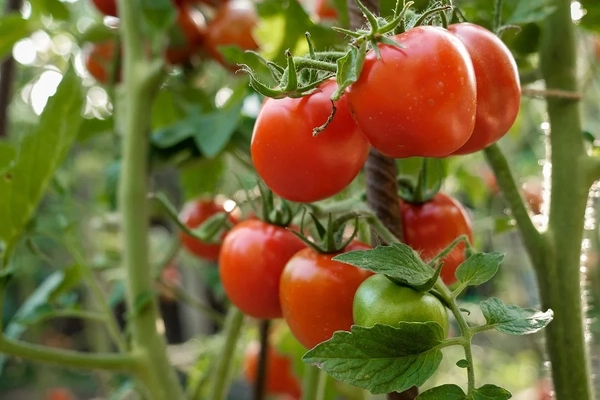
Scientists suggest that biofortification programs should ensure nutrient-enhanced crops can still maintain their high iron levels under environmental stress. They discovered that edible crops, ranging from canola and rice to tomatoes, actively stop absorbing iron from the soil during drought. However, more field data is still needed to determine how this impacts overall nutrient levels in edible portions such as grains, seeds, roots, or fruits.
The researchers from the University of Calgary (UCalgary), Canada, investigated how plants send out a “cry for help” when they are stressed by drought to recruit beneficial soil microbes like bacteria and fungi in their roots. They found that under drought stress, plants will dial down both their immune systems and their iron uptake machinery.

This process allows a particular group of soil bacteria, called Streptomyces, to thrive. Some of these strains enhanced plant growth and “rescued” iron uptake, but others didn’t, explain the study authors.
Exploring the direct implications of the study for the nutritional value of agricultural crops, Nutrition Insight speaks to Dr. Connor Fitzpatrick, Ph.D., lead author of the study and an assistant professor in the Department of Biological Sciences with UCalgary’s Faculty of Science.
“These findings suggest that biofortification programs need to consider not only whether a crop can accumulate more iron under ideal conditions, but whether it can maintain that nutritional trait under environmental stress,” he tells us.
Many breeding efforts focus on increasing the iron content of staple crops such as cereals, legumes, and rice. “Our work suggests that drought can actively suppress the plant’s own iron uptake machinery,” says Fitzpatrick.
“This means that a crop variety with high iron content under well-watered conditions may not necessarily maintain that advantage during drought. For nutrition-focused breeding, this highlights an important next step: selecting crop varieties that maintain iron uptake and iron allocation to edible tissues under water stress.”
“In other words, future biofortified crops may need to be evaluated for both high micronutrient content and micronutrient stability under climate stress,” he notes.
He says this leads to a new way of thinking about plant-microbe interactions during drought. “Drought doesn’t just stress plants. It fundamentally rewires how they manage nutrients and interact with the microbial world around them.”
Mechanisms of microbial enrichment
In the study published in Cell, Fitzpatrick says the research team found the reduction in iron uptake as they were trying to understand microbial enrichment in plant roots. “We experimentally manipulated drought stress and iron availability to get at the mechanism.”
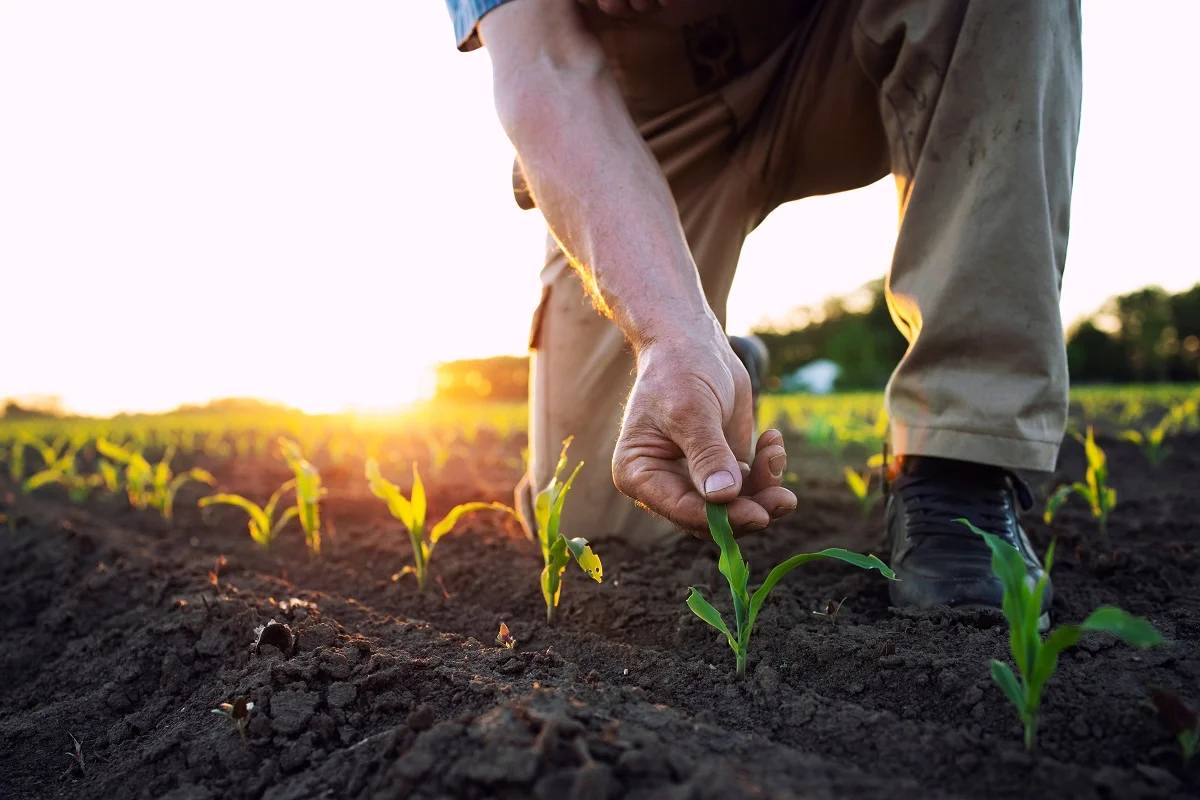 Drought doesn’t just stress plants, fundamentally rewires how they manage nutrients and interact with the microbial world around them.The team initially used a model plant, Arabidopsis thaliana, one of the most commonly studied plants due to its quick reproductive cycle and simple genome. Next, they demonstrated the mechanism of action across a wide variety of plants.
“We’ve shown this for rice and tomato, and more recently, we’ve shown this for canola,” Fitzpatrick says. He adds that the research opens the door to creating probiotic soil treatments or ways of breeding crops that sustain iron uptake during a drought.
“Soil microbes are a promising part of the solution, but these approaches still require careful development before they can be widely used to protect crop iron nutrition under drought,” he cautions.
“In our study, some Streptomyces strains improved plant growth and helped restore iron status under drought-like conditions. This suggests that beneficial soil microbes can, in principle, help plants cope with drought-associated iron limitation. However, our results also show that the story is not as simple as adding more beneficial bacteria.”
Fitzpatrick adds that the outcome depended on which microbial strains were present and how they interacted with one another. For example, he suggests some strain combinations may support the plant, while others may interfere with those benefits.
“For agricultural use, this means microbial products need to be tested across different crops, soils, climates, and native microbial communities. There is real promise, but for the specific goal of maintaining iron uptake during drought, we are still in the translational research phase rather than at the point of a universal field-ready product.”
Magnitude of effect in food products
Fitzpatrick notes that iron deficiency is one of the most widespread nutritional disorders in the world, affecting billions of people. While much of the iron in human diets comes from animal-based products, plants such as cereals and legumes are useful sources as well. Meanwhile, drought is increasing in frequency and severity across many agricultural regions due to climate change.
“Our study provides strong mechanistic evidence that drought suppresses iron uptake in plants, and we show that this response is conserved across very diverse plant lineages,” he explains. These include monocots [single-seed-leaf flowering plants like grasses and lilies] and eudicots — [twin-seed-leaf flowering plants, like broad-leafed trees and shrubs].
“That suggests the phenomenon may be relevant to many crop species. However, we do not yet have field-scale data that quantify exactly how much this reduces iron levels in edible portions such as grains, seeds, roots, or fruits under real-world agricultural conditions. That is an important next step that we’re currently pursuing.”
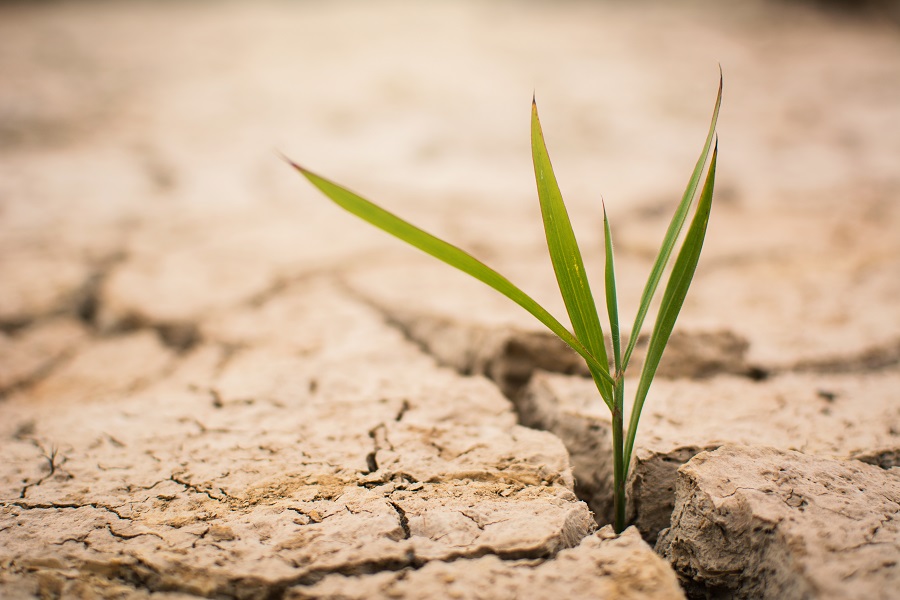 While iron deficiencies are widespread, drought is increasing in frequency and severity across global agricultural regions due to climate change.Fitzpatrick says the final impact on edible tissues will likely depend on the crop, the timing and severity of drought, soil chemistry, baseline iron availability, and the developmental stage when stress occurs.
“For example, drought during early root development may have different consequences than drought during grain filling,” he notes. “So, at this point, we can say that drought has the potential to reduce crop iron nutrition, but more field and crop-specific work is needed to estimate the magnitude of that effect in food products.”
Next steps for agricultural applications
Fitzpatrick says the next step is to move from mechanism to application. “First, we need to test major crops under realistic greenhouse and field conditions to determine whether drought reduces iron accumulation in edible tissues, and by how much.”
“Second, we need to identify the plant genes and regulatory pathways that control this drought-induced shutdown of iron uptake. If we can understand those control points, it may be possible to breed or engineer crops that maintain iron nutrition during water stress.”
The third step is to continue developing microbial solutions. “Beneficial strains that support iron uptake during drought should be tested across multiple crops and soil types to determine whether they are reliable enough for agricultural use.”
“Overall, these findings suggest that protecting food security under climate change should include both yield and nutrition. Growers, breeders, and the food industry will increasingly need tools that preserve not only how much food is produced, but also the nutritional quality of that food,” he concludes.
In recent crop science explorations, researchers highlighted the challenges and solutions to astronaut nutrition and health during space missions due to the environmental conditions of low Earth orbit. They were able to map the nutritional composition of space-grown crops and identify levels of key nutrients and antioxidants, along with their deficiencies.