



Austria Juice navigates active nutrition shift from sports to everyday functionality

Key takeaways
- According to Austria Juice, active nutrition is shifting from sports performance toward everyday functionality, with consumers seeking convenient multifunctional products.
- The company says protein beverages continue to face sensory and formulation challenges, driving demand for flavor-masking and technologies for improved taste.
- Austria Juice uses diversified sourcing and long-term supplier partnerships to maintain ingredient availability, quality, and efficacy amid supply chain volatility.
Austria Juice underscores that active consumers are seeking convenient, multifunctional products that taste good. Nutrition Insight sits down with the company’s Julia Wurzer, marketing manager, and Dominik Wieser, head of Procurement Ingredients, to discuss the main trends in active nutrition and how the company is navigating formulation hurdles and supply chain challenges.
As the main shifts in consumer demand for active nutrition, Wurzer tells us that consumers no longer see beverages as simple thirst-quenchers but as functional solutions that support their daily well-being.
“The market has clearly shifted from sports-focused performance products to everyday functionality, with demand centered on energy, hydration, mental focus, and recovery throughout the day. At the same time, preventive health has become more important, with strong growth in areas such as gut health, fiber intake, and microbiome support.”

The main ingredients, products, and formats consumers are looking for are multifunctional nutrition solutions that combine established benefits such as protein with emerging areas like gut health, immunity, and mental performance, she says.
Protein remains a key ingredient in active nutrition and was forecasted to drive innovations this year.
“Alongside protein, there is strong growth in fiber, probiotics, and amino acids in the functional beverage sector. An ongoing trend is functional mushrooms like lion’s mane, appearing across formats like coffee, tea, but also into protein drinks,” says Wurzer.
“In terms of formats, convenience is key: ready-to-drink beverages, smoothies, snackable formats, and on-the-go solutions are gaining significant traction.”
Formulating for active nutrition
When formulating products for active nutrition, there are certain formulation hurdles to overcome. This is especially apparent in protein-based drinks, whether derived from whey, soy, peas, or other sources, sensory challenges often arise, shares Wurzer.
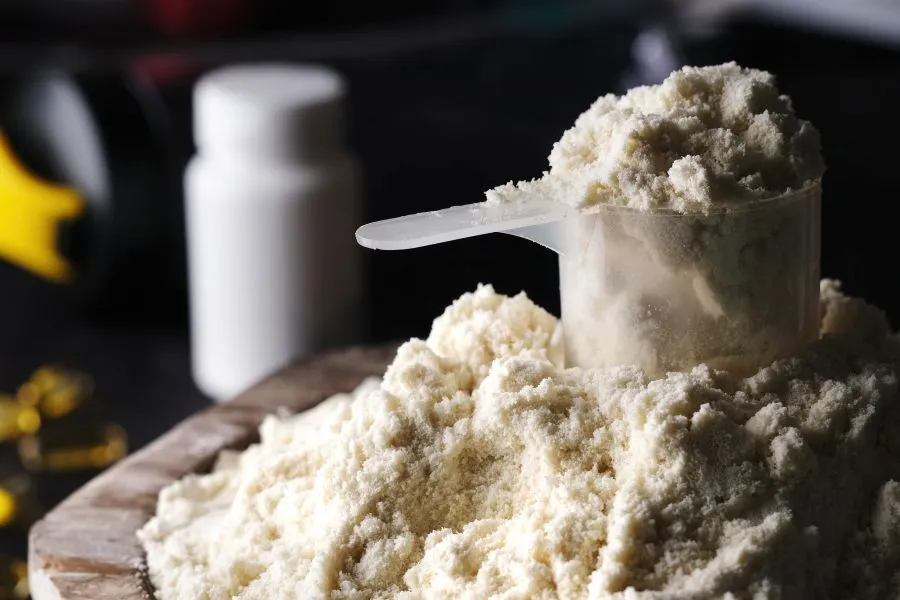 Bitter, chalky, or unpleasant notes can affect consumer acceptance of protein products, says Wurzer.“Bitter, chalky, or unpleasant notes can affect consumer acceptance. Here, tailored flavor compositions are needed to specifically mask unwanted tastes and create a harmonious, balanced flavor experience. Our flavorists are developing such solutions that require deep expertise in flavor research and sensory science.”
Innovative flavor solutions, such as Flavors with Modifying Properties, enable precise control of the sensory profile, she explains.
“For example, they help modulate the sweetness profile, without significantly changing the ingredient list. This allows manufacturers to meet current trends for ‘better-for-you’ products and clean labels, without compromising on taste.”
Nutrition Insight recently sat down with FrieslandCampina Ingredients to discuss the complexity of protein. The company told us that protein remains the undisputed hero of active nutrition, with consumers continuing to prioritize it for energy, recovery, and muscle support. However, while demand is strong, the conversation around protein is only just beginning to mature.
FrieslandCampina Ingredients highlighted that consumers are still primarily scanning for protein content and clear “high-protein” cues — but studies show that their understanding of concepts such as “complete protein” is limited in many cases. Meanwhile, some consumers are starting to engage with protein type, quality, and functional role beyond just quantity, although this is still an emerging and uneven behavior, the company told us.
Trending in active nutrition
Active nutrition used to be exclusive to athletes and is now used daily by everyday consumers of all ages. The focus in the category is shifting away from sports performance and building muscle to seeking products targeting longevity, and to live an active life for longer through personalized nutrition.
 Wieser tells us that Austria Juice addresses supply chain fluctuations through the diversification of its sourcing channels and partnerships.Meanwhile, there is an increasing use of AI and tech devices among active consumers, such as wearable devices, to optimize health and nutrition. This enables companies to leverage consumer data to customize nutrition with personalized innovations.
“AI-assisted formulation tools can also help identify microbial strains that may support specific health and wellness goals. When paired with the expertise of researchers and food scientists, AI can accelerate the development of innovative nutrition solutions tailored to the evolving needs of everyday active consumers,” ADM recently shared.
Supply chain volatility
Apart from formulation hurdles, F&B companies must navigate a volatile macroeconomic environment. For nutrition, this means ensuring that people can still access healthy and nutritious foods during uncertain times, drive innovations in transforming technologies, and prioritize environmental sustainability.
Wieser tells us that Austria Juice addresses supply chain fluctuations through the diversification of its sourcing channels and close, long-term partnerships with suppliers across different regions.
“This enables us to maintain a high level of supply security and ensure consistent product quality and efficacy for our customers, even in challenging market conditions and times of crisis,” he concludes.