




Bioavailability is crucial in supplements as it determines how effectively nutrients are absorbed and utilized by the body, directly impacting their efficacy. According to data from Innova Market Insights, there has been a 12% increase in bioavailable claim mentions in global supplement launches between October 2019 and September 2024. Notably, 39% of these claims were found in vitamin and mineral product launches.



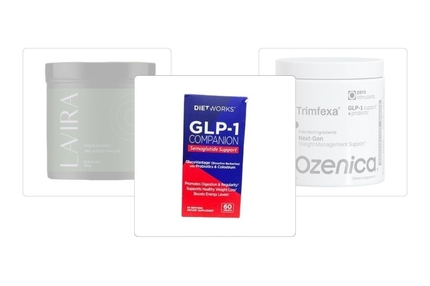
Innova Market Insights data shows that GLP-1 mentions in supplement launches grew by 67% from July 2023 to June 2026. New product launches are moving beyond appetite control, combining prebiotics, probiotics, fiber, berberine, botanicals, vitamins, and minerals to address satiety, metabolic health, and digestive wellness.
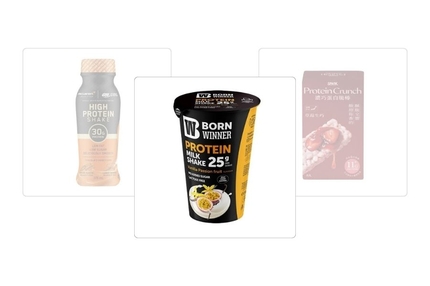
Innova Market Insights data indicates that sports nutrition and supplement launches featuring dairy protein ingredients are gaining ground, with over 20% CAGR from July 2021 to June 2026. Whey protein and milk protein remain the leading ingredients in these launches, but other proteins are emerging, such as casein.

Innova Market Insights data shows that consumers are turning to supplements to support skin and hair health. Twenty-nine percent of consumers have tried to improve their skin health, and 44% of those have done so with supplements. Supplements targeted at skin and hair health recorded a 2% CAGR from July 2021 to June 2026.
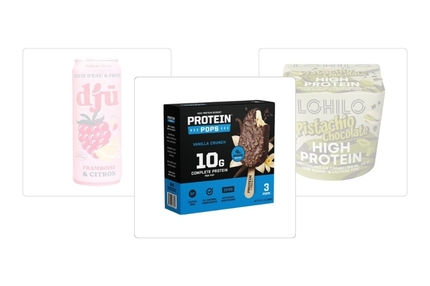
According to data from Innova Market Insights 44% of consumers globally are reducing sugar to eat healthier. Sugar reduction is increasingly moving beyond traditional “low sugar” claims, with brands combining reduced sugar formulations with added functional benefits such as protein, fiber, probiotics, and electrolytes.
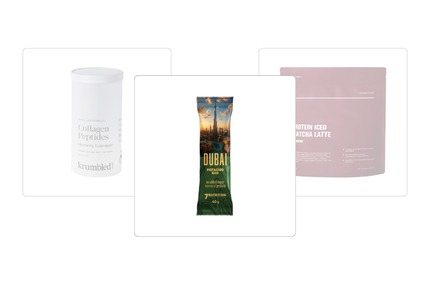
Innova Market Insights data indicates an 11% average annual growth in sports nutrition and supplement launches featuring fiber ingredients, high/source of fiber claims and/or digestive health claims, between April 2021 and March 2026. Sports bars led the top subcategories, followed by probiotic supplements, while sports protein-based RTD launches are emerging. Oligofructose was the most widely used fiber ingredient, while tapioca fiber and chicory root fiber are gaining ground.
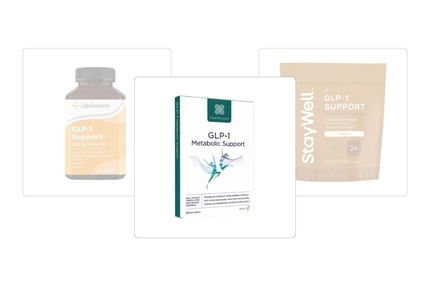
As interest in GLP-1–related pathways continues to rise, supplement brands are introducing formulations that focus on supporting appetite regulation, glucose metabolism, gut health, and overall metabolic balance. Across the category, ingredients such as berberine, chromium, probiotics, citrus extracts, capsaicinoids, and bioactive peptides are commonly used to support satiety, energy balance, and healthy metabolic function.