



New global WHO sodium reduction guidelines urge industry to follow public health policy


Key takeaways
- WHO’s SHAKE framework provides governments with mandatory tools like food reformulation and labeling to prevent 1.7 million annual deaths from high salt intake.
- The guidance explicitly urges governments to exclude food industry influence from public health policy and provides strategies to counter industry opposition.
- Global progress is stalling, with only 28% of the population currently covered by the mandatory policies needed to reach the 2030 reduction goals.
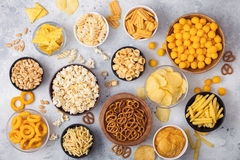
The WHO has released the second edition of its “SHAKE the Salt Habit,” a technical package for sodium reduction designed to guide national regulations in speeding up efforts to reduce the public health threat of high salt consumption.
The SHAKE acronym stands for “Surveillance, Harness industry, Adopt standards for labeling and marketing, Knowledge, and Environment.”
The updated package offers guidance on managing conflicts of interest with the food industry, emphasizing that “the industry should not set public health policy.” It offers a step-by-step guide to reducing populations’ sodium intake, through listing evidence-based practical tools and country examples compiled from extensive analyses.
The package also details how to regulate and cut back on health-harming products that contain high amounts of added sodium, while providing detailed annexes on data collection, enforcement, and countering common industry arguments.
“Excess salt consumption remains among the top preventable drivers of death globally, and implementing mandatory policies to reduce sodium intake is one of the most cost-effective actions countries can take to protect people from cardiovascular disease,” says Luz Maria De Regil, director of the Department of Nutrition and Food Safety at WHO.
“With the updated SHAKE the salt habit, WHO is equipping countries with practical, evidence-based tools to take decisive, government-led action and prevent millions of deaths each year.”
Public health threat
The majority of people globally have a high sodium intake and live in environments that lead to excessive consumption, warns the WHO. The organization flags that the average global sodium intake is estimated to be more than twice its recommended limit of 2,000 mg per day (equivalent to 5 g of salt or about one teaspoon), which contributed to 1.7 million deaths in 2023.
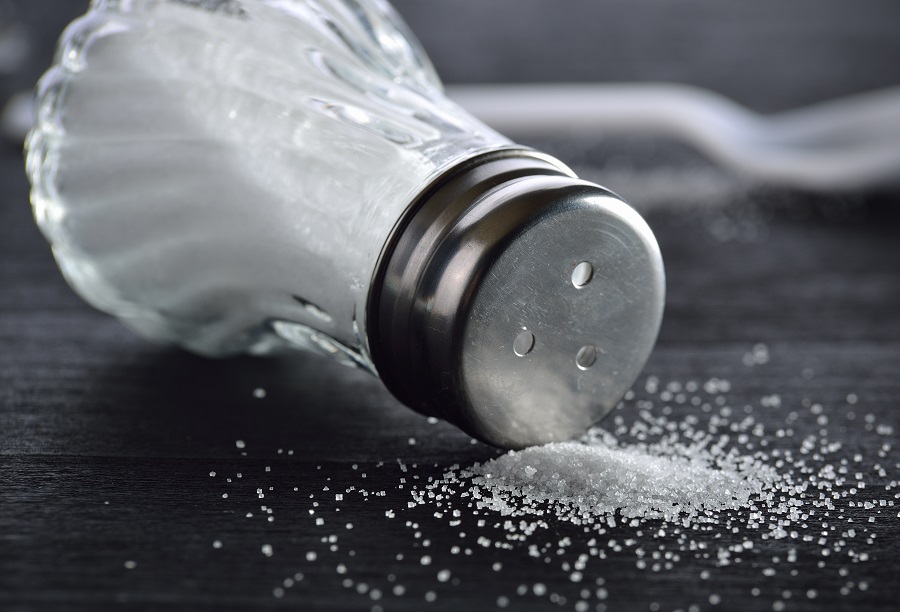 Global sodium intake is double the recommended 2,000 mg daily limit — about one teaspoon of salt — contributing to 1.7 million deaths in 2023.The WHO stresses that excess sodium intake is a leading dietary risk factor for hypertension and cardiovascular disease. “While public health guidance frequently emphasizes reducing salt intake, food environments present persistent challenges, with high levels of sodium embedded in processed, packaged foods and often street food high in salt,” it warns.
SHAKE consolidates a package of proven policies to help governments protect populations from this threat. It also includes “best buys” interventions for the prevention and control of noncommunicable diseases.
These tactics include food reformulation, which sets maximum limits or targets for the sodium content of pre-packaged food, as well as front-of-pack labeling that provides interpretive information about sodium content, alongside mandatory declaration.
The guidelines also include food procurement and service policies to limit high-sodium foods in public settings, as well as food marketing restriction policies to protect children. Moreover, they encourage the taxation of unhealthy food and champion lower-sodium salt substitutes to replace regular table salt in appropriate settings.
Last year, the WHO issued a guideline to replace table salt or sea salt with potassium salt, which was the first time it addressed this approach as a safe and effective way to reduce sodium intake.
Global sodium reduction progress
The WHO states that, overall, the world remains off track to meet the global sodium reduction target of a 30% reduction by 2030. Currently, only 28% of the world population lives in countries with mandatory sodium reduction policies.
“The second edition of SHAKE offers a practical menu of measures that countries can readily apply, with clear, step-by-step guidance, and strong opportunities to scale up mandatory approaches to reduce persistently high salt intake across the region,” says Xi Yin, coordinator at the Health Promotion and Policy unit at the WHO.
“Several countries in the Western Pacific Region have drawn on SHAKE to inform their salt reduction efforts, grounded in country-specific data and experience, and we look forward to many more following their lead.”
In previous analyses, researchers underscored the importance of culturally customized approaches to advise on sodium intake. Exploring more tailored approaches depending on racial and ethnic contexts, they advised that the sources and usage of salt should be considered when designing reduction policies.