





Oobli expands sweet protein pipeline with miraculin to target metabolic health

Key takeaways
- Oobli is developing miraculin and other sweet proteins, adding to its portfolio of brazzein, monellin, and thaumatin.
- The company says its sweet proteins digest as standard dietary proteins do without significantly spiking blood glucose levels or insulin responses.
- Oobli notes that sweet proteins require minimal volume, enabling formulators to add functional, value-adding ingredients such as dietary fiber and additional protein.
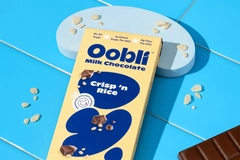 (Image credit: Oobli).
In response to escalating metabolic health challenges, sweet proteins are gathering pace as alternatives to sugar and traditional high-intensity sweeteners. Among the companies commercializing them, Oobli is leveraging precision fermentation to produce bio-identical sweet proteins that mirror those found in rare equatorial fruits, which it says do not trigger blood glucose spikes, insulin responses, or digestive distress.
Nutrition Insight speaks to Amy Chen, president and chief commercial officer of Oobli, to take a closer look at the future of sweet protein discovery, how these digest compared to standard dietary proteins, and targeted product developments in the field.
“Combinations of sweet proteins can allow formulators to tailor the sweetness profile within different product matrices,” she details. “These sweet proteins are naturally occurring in fruits and berries along the equator, and Oobli produces proteins that are bioidentical.”

Chen adds that these fruits and berries have had a long history of consumption by local populations. Oobli’s portfolio includes the FDA-approved brazzein from the West African oubli fruit, monellin from the serendipity berry, and thaumatin from the katemfe fruit.
To diversify the industry’s toolkit, Chen reveals Oobli is also designing half a dozen other pipeline variants, such as miraculin from the miracle fruit, which transforms sour tastes into sweet. These include several other undisclosed novel sweet proteins in development.
“There are almost certainly undiscovered sweet proteins, given how vast the biodiversity of the planet is,” she continues. “We know that we are just scratching the surface of what nature has already designed.”
“Because sweet proteins require so little space in a formula, they can also make room for ingredients that add nutritional value, including fiber and additional protein. That gives developers an opportunity to create entirely new products rather than merely reformulate existing ones with less sugar.”
Gentle digestion properties
Chen goes into detail about the scientific evidence on how sweet proteins may affect blood glucose, insulin response, and digestive tolerance in humans.
“Oobli’s sweet proteins are a fundamentally new way to deliver sweetness. Because they are proteins, they digest the same way as any other proteins we consume,” she explains.
“Proteins are relatively large biomolecules (more than 5,000 daltons) made up of amino acids, which must be broken down by our gastrointestinal system into smaller proteins (called peptides) and amino acids before they can be absorbed and repurposed for building our cells.”
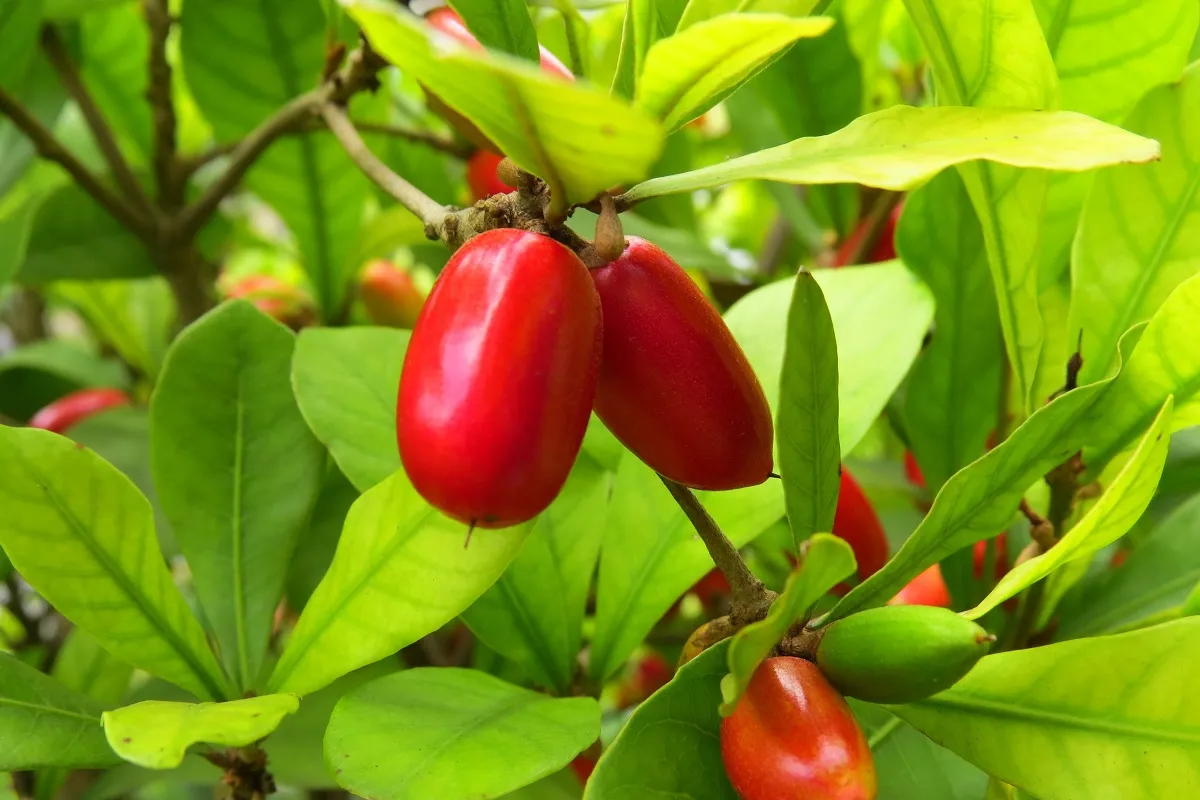 Chen reveals Oobli is also designing half a dozen other pipeline variants, such as miraculin from the miracle fruit, which transforms sour tastes into sweet.Unlike sugar and other small-molecule sweeteners, she notes that sweet proteins do not severely spike blood sugar levels, trigger insulin response, or impact the gut microbiome.
Oobli notes that these ingredients don’t leave the familiar aftertaste associated with certain artificial sweeteners. However, lingering sweetness is common with ingredients such as brazzein and thaumatin.
“Because sweet proteins bind to our taste receptors, they have a gentler sweetness onset than sugar and a longer taper,” Chen highlights.
“Some traditional small-molecule sweeteners have metallic, bitter, or other aftertastes. Sweet proteins selectively engage only the sweet taste receptor, enabling a very clean, bright sweetness without aftertaste.”
Untapped product opportunities
Chen points to the strongest opportunities for sweet proteins in products designed for metabolic-health consumers. These may include hydration products, sports nutrition, supplements, dairy applications, chocolate, and confectionery.
“Sports and nutrition products are a good example,” she notes. “Sugar often conflicts with the health purpose of the products, many of which already have a protein-forward positioning, and replacement ingredients can create digestive discomfort.”
“Sweet proteins could help resolve that contradiction. Hydration and functional beverages are another compelling area because they frequently contain bitter ingredients and are under growing pressure to reduce sugar.”
She adds that combining different sweet proteins, mixing sweet proteins with other natural sweeteners, or complementing sweet proteins with flavors or other ingredients are all approaches that can help replicate the desired profile.
“One of the biggest lessons is that the surrounding product matrix matters as much as the sweetener,” she Chen reflects. “A carbonated beverage, protein shake, gummy, and baked product each have different flavor, texture, and processing requirements.”
Overcoming formulation hurdles
Oobli’s sweet proteins maintain their performance across a wide range of acidity levels, manufacturing conditions, and product formats, Chen notes. “We have successfully worked with beverage systems containing ingredients such as caffeine, taurine, and B vitamins, as well as with dairy, confectionery, bakery, and sauce applications.
The key is understanding the complete formula and process, she adds. “Temperature exposure, acidity, ingredient interactions, and shelf- life expectations must all be evaluated within the finished product rather than in isolation.”
She highlights that proteins contribute sweetness, but not bulking or structure. Moreover, a strongly flavored botanical, mineral, amino acid, or protein base may still need additional flavor support, she notes. “Sweet proteins are also much, much sweeter than sugar, so developers must carefully manage concentrations so as not to overdose and create sweetness linger.”
Where sugar still wins
Chen reflects on a few key areas where sweet proteins still fall short of sugar from a formulation perspective. “Sugar performs several jobs that have nothing to do with taste.”
“Depending on the product, sugar can contribute volume, viscosity, texture, moisture retention, browning, and structure. Sweet proteins are extremely efficient at supplying sweetness, but the tiny amount required cannot replace that physical mass.”
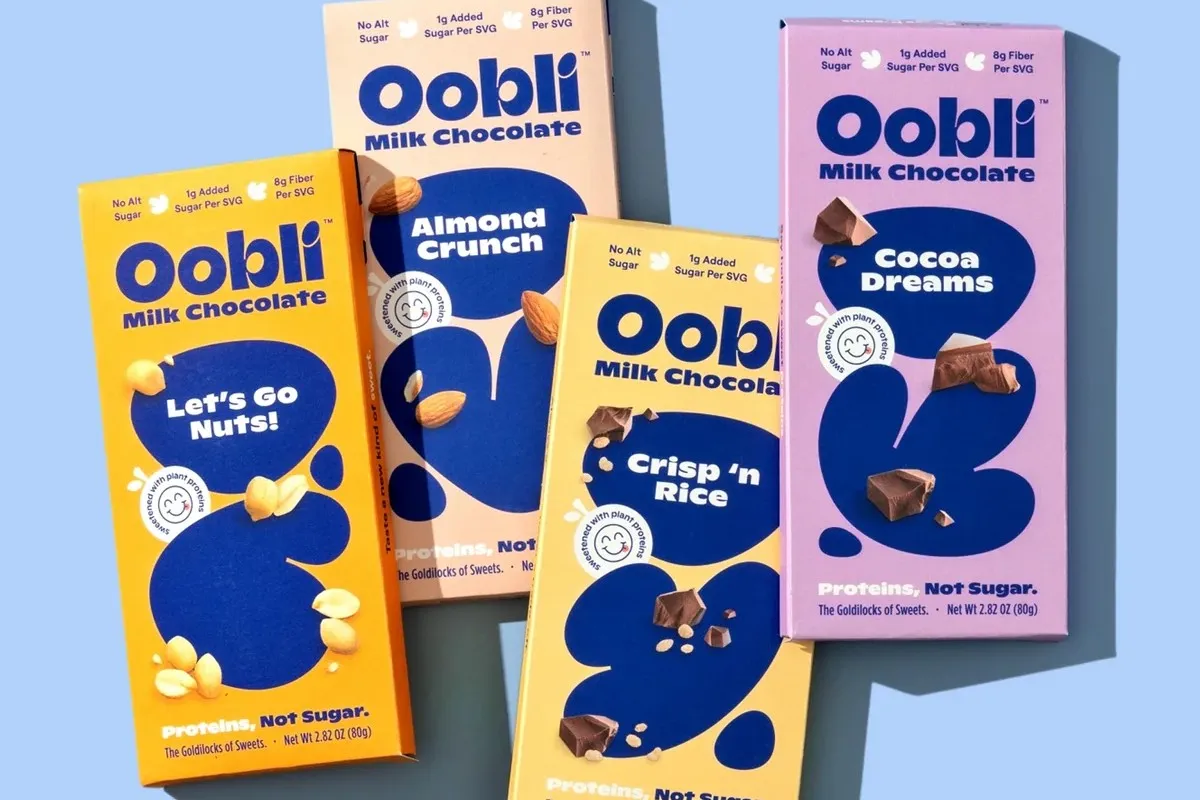 Chen points to the strongest opportunities for sweet proteins in products designed for metabolic-health consumers (Image credit: Oobli).That could mean rRemoving sugar may therefore require a broader redesign of the product. “Fiber, proteins, or other ingredients may need to replace the body and structure that sugar previously supplied,” Chen explains.
“In some products, retaining a small amount of sugar may still produce the best overall consumer experience while delivering a meaningful reduction.”
For Oobli, Chen says the next step is to make formulation “increasingly turnkey” for manufacturers.
“We are continuing to expand our protein portfolio, deepen our understanding of how best to use sweet proteins across applications, and develop more complete systems of sweet proteins with other complementary ingredients that address flavor, texture, and processing — not sweetness alone.”
Consumer education
For any new ingredient or food product, Chen stresses consumers must understand the value proposition of any new ingredient or food product to be successful. She also notes that brands must explain to consumers what is in it for them — whether that is superior taste, better functionality, a cleaner nutrition label, improved health and safety, or improved sustainability.
“In the case of sweet proteins, we can offer all of these things; but the challenge is how to communicate this to busy consumers in a noisy world,” she notes. “Tasting is believing — getting sweet proteins incorporated into more delicious products that consumers love, from brands they trust, will go a long way in familiarizing consumers with the potential and value of sweet proteins.”
She also emphasizes the importance of visible, consistent, on-pack signaling. “A consumer can’t choose a sweet-protein product if they can’t recognize one. Oobli’s ‘Oobli Inside’ labeling program is built on exactly that logic — a consistent mark across partner brands’ packaging, modeled on ingredient-brand programs like Intel Inside, so that ‘made with sweet protein’ becomes something consumers learn to look for rather than having to research brand by brand.”
What it boils down to is a clear, simple value proposition, she concludes. “Consumers are busy, and the environment is noisy. We need to explain what’s in it for them in ways that resonate.”
Chen sees sweet proteins freeing formula space for fiber and protein.