



Methionine supplementation may boost immunity by reducing inflammation


Key takeaways
- Supplementation reduced inflammation, protected against wasting, organ damage, and death in infection and kidney injury models.
- Methionine improved kidney filtration, helping clear pro-inflammatory cytokines and limiting immune-driven damage.
- Findings are limited to mouse models; clinical studies are needed before methionine can be considered a therapeutic nutrition strategy.
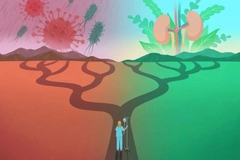 (All Image credits: Salk Institute).
New research has found that supplementing methionine can change disease outcomes in mice, which suggests its potential use in dietary strategies to alter disease outcomes. This was especially seen in inflammatory conditions and kidney issues. However, researchers caution that further research is required to test effects in humans before the amino acid’s widespread use.
The study authors at the Salk Institute, US, focused on the journey of diseases and the factors behind their trajectories.
They underline that inflammation plays an essential role in protecting against and responding to infections. Inflammation ultimately causes the downward trajectory that leads to death. Although it can trigger immune cells, over inflammation leads to tissue damage.
Infections are one of the strongest triggers to inflammation-related damage, according to the researchers. Regulating inflammation is therefore seen to be a key part in managing diseases.
“Our study indicates that small biological differences, including dietary factors, can have large effects on disease outcomes,” says senior author Janelle Ayres, professor and holder of the Salk Institute Legacy Chair.
Kidney’s underappreciated role
The publication in Cell Metabolism studied mice infected with Yersinia pseudotuberculosis, who were given methionine, leading to improved kidney function and pro-inflammatory cytokine levels.
Additionally, the study found that the supplementation protected the mice from inflammation-related wasting, blood-brain barrier dysfunction, and death.
The researchers explain that the amino acid achieved this by aiding kidney filtration. They also point to the kidneys’ “underappreciated” but essential role in recovering from infection to health.
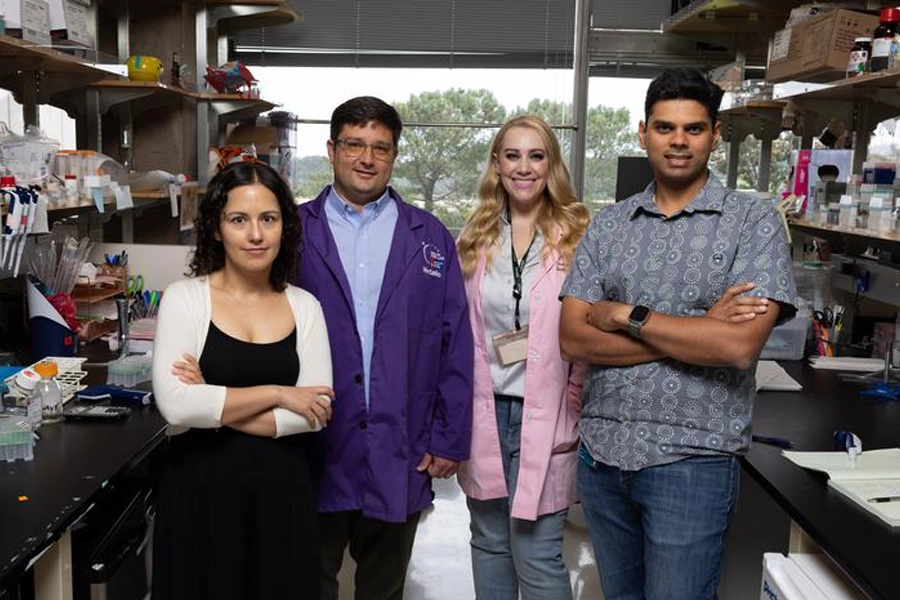 Research team: Katia Troha (left), Christian Metallo (center left), Janelle Ayres (center right), and Shrikaar Kambhampati (right).“Our discovery of a kidney-driven mechanism that limits inflammation, together with the protective effects of methionine supplementation in mice, points toward the potential of nutrition as a mechanistically informed medical intervention that can direct and optimize the paths people take in response to insults that cause disease,” says Ayres, who is also an investigator at Hughes Medical Institute.
Deepening understanding of immune function
The researchers investigated inflammation so that its switches for the inflammatory response are not seen as binary.
The team instead shifts the focus to how the body handles the immune response higher or lower, by the release of pro-inflammatory cytokines.
“Pro-inflammatory cytokines are ultimately what lead to sickness and death in a lot of cases,” says first author Katia Troha, Ph.D., a postdoctoral researcher in Ayres’s lab.
“The immune system has to balance inflammation to attack the invader without harming healthy cells in the body. Our job is to find the mechanisms it uses to do that so that we can target them to improve patient outcomes.”
Methionine-kidney effect
The researchers used a mouse model to understand how the body regulates its cytokine levels. They noticed that infected mice were eating less, likely due to metabolic changes.
Nutritional status was measured by checking levels of circulating amino acids, since these support cellular health.
Researchers noticed that the infected mice had lower levels of methionine, which is found in everyday diets. This led to the team giving the animals methionine-supplemented chow, which protected them against infection.
Further tests revealed that methionine reduced circulating cytokine levels by increasing the kidney’s filtration capacity. This improved blood flow and helped the body excrete pro-inflammatory cytokines through the urine.
Additionally, the researchers also found that methionine was protective in mice against sepsis and kidney injury models.
“Our findings add to a growing body of evidence that common dietary elements can be used as medicine,” says Ayres.
“By studying these basic protective mechanisms, we reveal surprising new ways to shift individuals that are fated to develop disease and die onto trajectories of health and survival. It may one day be possible for something as simple as a supplement with dinner to make the difference between life and death for a patient.”
Although this finding was successful in mice, the researchers caution that testing methionine’s benefits in humans is needed. They share that further studies will explore the mechanisms behind methionine or whether other amino acids have similar or complementary effects.