


Transforming meat byproducts into bioactive peptides for gut health and sustainability


Key takeaways
- Meat byproducts can be converted into bioactive peptides using enzymatic and green extraction methods, according to a new study.
- These peptides may support gut microbiota balance, gut barrier function, and immune health.
- Valorization supports circular economy goals, but scale-up, regulation, and taste remain challenges.
Scientists have found potential for food waste to be upcycled into nutraceuticals and functional foods. By using byproducts from industrial meat production and converting them into bioactive peptides, the team found potential benefits for the gut microbiota, promoting beneficial bacteria and health benefits.
The review, published in Food Chemistry X, summarizes that bioactive peptides may confer anti-inflammatory, antioxidant, antihypertensive, and antimicrobial benefits. This interaction improves the integrity of the gut barrier, metabolic health, and immune system.
Food waste poses a global challenge to sustainability and life on Earth. The researchers say integrating meat byproducts does not reduce environmental pollution, but it creates opportunities for sustainable food and nutrition innovation.
Global food waste
The researchers stress that global food waste is one of the most severe inefficiencies in modern food systems. Beyond its environmental impact, it also causes economic and nutritional consequences.
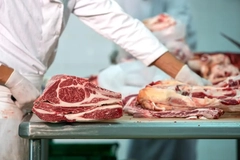
 Disposing of these meats also increases greenhouse gas emissions, resource use, and pollution from improper disposal.Each year, 1.3 billion tons of food are lost or wasted, according to the UN Food and Agriculture Organization. This is largely attributed to the meat industry, as byproducts such as bones, blood, skin, organs, and fat trimming are regularly disposed of or undervalued.
Often highly nutritious, disposing of these meats also increases greenhouse gas emissions, resource use, and pollution from improper disposal.
“The decomposition of unused animal parts can release methane and other potent greenhouse gases, thereby contributing to climate change. At the same time, inefficient handling of slaughterhouses and processing waste can contaminate waterways and soil, propagate pathogens, and increase the risk of zoonotic disease,” reads the study.
However, diets high in certain processed meats are associated with increased risks of cardiovascular disease, colorectal cancer, and metabolic disorders. The researchers argue that this presents an opportunity — valorize meat waste by converting it into bioactive peptides.
Source of nutrients
Byproducts of meat are often rich in various nutrients such as collagen, connective tissue, and muscle proteins. The study notes that these are a good source for generating peptides with biological activity.
The study argues that livestock slaughter yields 45% edible meat and 55% byproducts, including non-edible materials such as intestines, blood, bones, hides, fat, and endocrine products. These are rich in lipids, carbohydrates, and proteins, and ideal for producing bioactive peptides.
Once released, bioactive peptides have demonstrated antioxidant, antimicrobial, antihypertensive, anti-inflammatory, and immunomodulatory properties, it says.
Gut-health potential
The researchers say that the main potential for application is the benefits for the gut microbiota.
“Peptides are critical sources of nitrogen to the productive gut microbes, especially Lactobacillus and Bifidobacterium, which are key in the fermentation of dietary fiber to generate short-chain fatty acids like acetate, butyrate, and propionate.”
 The main potential for application is the benefits for the gut microbiota.In addition to promoting gut health, peptides also help preserve intestinal barrier integrity, reduce inflammation, and increase electrolyte intake.
They can also have a prebiotic-like effect by promoting the proliferation of beneficial microbes while inhibiting the growth of pathogens.
Bioactive peptides have also been found to impact mental health through the gut-brain axis by stimulating the synthesis of neuroactive substances such as serotonin and gamma-aminobutyric acid (GABA), controlling mood and gut motility.
The researchers argue that peptides also contribute to a healthy immune response, helping avoid excessive inflammation, which is frequently associated with dysbiosis (microbial imbalance) and is linked to inflammatory bowel disease, obesity, and metabolic disorders.
Meat-derived peptides have been shown to modulate key beneficial gut bacteria, including Bacteroides, Firmicutes, Lactobacillus, and Bifidobacterium.
The findings therefore offer an opportunity for meat-derived peptides to positively influence the gut microbiota, with a variety of health benefits.
“Meat is an underutilized resource with tremendous potential for extracting dual-beneficial bioactive peptides that support human health and environmental sustainability.”
The authors conclude that, even as peptide extraction and applications advance, challenges still remain, including large-scale production, regulatory compliance, and taste optimization.
Further research is needed to optimize production techniques, assess long-term health impacts, and scale it up to industrial levels.