




2026 gut health essentials: Personalization, evidence and multi-benefit claims


Key takeaways
- Gut health innovation is moving to targeted, personalized, multi-benefit solutions, using clinically backed pre-, pro-, and postbiotics, HMOs, and synbiotics.
- Brands are prioritizing measurable proof points, including clinical validation, stability, sustainability, and performance across new product formats.
- Regulatory and formulation complexity remains a challenge, as inconsistent global definitions for biotics and lactose-free claims complicate NPD.
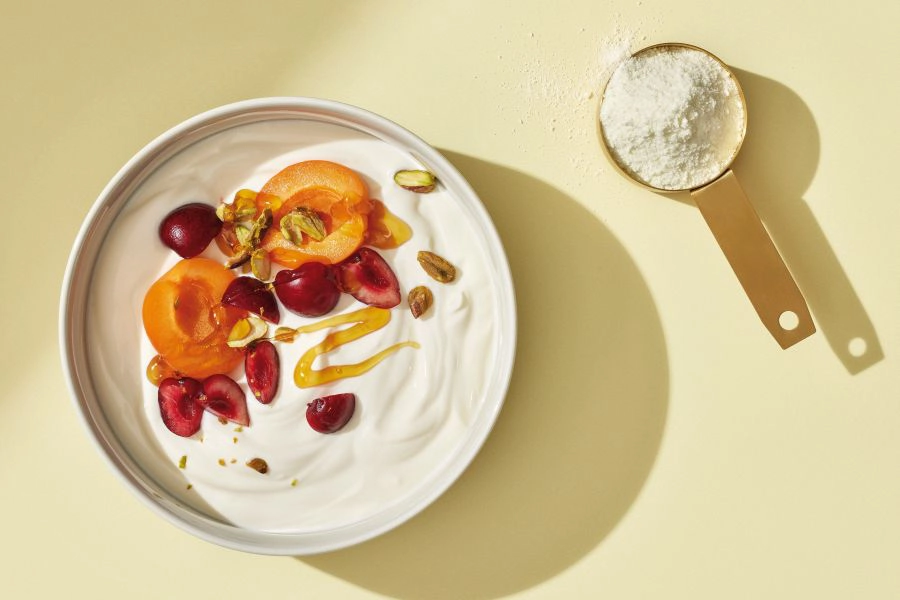
 (Image credit: Valio).
Gut health remains a key driver of functional food and beverage innovation, but this year marks a turning point for product development. Nutrition Insight speaks with ADM, Novonesis, and Valio about personalization, clinical substantiation, and multi-benefit ingredient platforms that are shaping the category’s next phase.
“Demand is shifting toward more targeted, personalized, and multi-benefit gut health solutions, reflecting the growing understanding of gut health as a foundation for overall well-being. Brands are increasingly looking for smart, ‘one-stop’ ingredient platforms that combine proven functionality, strong nutrition, and excellent sensory performance,” says Susanna Lönnblad, business development manager at Valio.
“Today, proof points matter more than ever. Brands expect science-backed, consumer-tested solutions supported by real success stories — ingredients that not only demonstrate efficacy in research but also perform reliably in products that consumers genuinely enjoy.”
Alicia Humpert, global marketing director of Microbiome at ADM, echoes Lönnblad, adding that consumers want wellness solutions based on emerging evidence of the gut microbiome’s impact on physical, mental, and emotional well-being. Clinically backed prebiotics, probiotics, and postbiotics are in the spotlight.
“Our research finds sleeping well (58%), healthy weight maintenance (50%), and digestive health (46%) are the areas consumers want to improve the most. Brands that can connect biotics to these specific wellness goals via ongoing research into the various gut-organ axes — gut-brain, gut-muscle, gut-skin, etc. — will find success with consumers as we move into 2026.”
Furthermore, Kirsten Vaever Jokumsen, commercial industry manager of Gastrointestinal Health at Novonesis, draws attention to human milk oligosaccharides (HMOs) as a next-generation functional ingredient for gut and immune health from infancy through adulthood.
“When combined with carefully selected probiotics, this creates a powerful synbiotic pairing that amplifies the benefits to gut health beyond what either ingredient can achieve alone.”
“Sustainability metrics, personalization validation, such as measurable benefits for different microbiome profiles, stability, and shelf life, are some of the crucial proof points,” she says. “However, robust, strain-specific clinical studies to substantiate health benefits remain at the top for both brands and end consumers.”
Market trends to shape the gut health category
Valio’s Lönnblad states that as personalized nutrition progresses, the gut health category is moving from broad digestive claims to more targeted solutions for conditions, such as lactose intolerance and maldigestion.
“Consumer awareness is increasing rapidly, with around 70% of the global population affected, driving strong growth in lactose-free dairy.”
According to Jokumsen, consumers now view gut health as vital for overall health, linked to immunity, skin, mental health, and metabolism. This “it all starts in the gut” mindset drives demand for ingredients that target multiple health issues.
Speaking on the rise of personalization, she adds: “This calls for innovation in combining ingredients for synergistic benefits, opening space for differentiation. Products that can deliver on multiple well-being outcomes at once — and do so with personalized precision — will stand out.”
“There is also growing interest in solutions that support digestive balance and gut health during lifestyle or dietary changes — particularly as the use of GLP-1-based therapies grows. These consumers are looking for companion products that can support digestive balance and gut health in these journeys,” she shares.
Meanwhile, Humpert says ADM expects the roles of prebiotics, probiotics, and postbiotics to go beyond digestive support via gut-organ axes as gut microbiome science deepens.
 Valio’s Lönnblad states that as personalized nutrition progresses, the gut health category is moving from broad digestive claims to more targeted solutions for conditions, such as lactose intolerance and maldigestion.“Additionally, interest is growing in using bacteriophages to support microbiome modulation. A key example of evolving bacteriophage technology is our PreforPro, which, when combined with selected probiotic strains, has shown potential to support the gastrointestinal tract.”
Valio’s lactose-free gut health benefits
Dr. Tuula Tuure, senior scientist of Nutrition at Valio, touts the dairy product manufacturer’s lactose-free innovation, including the world’s first lactose-free milk in 2001, developed with Eila technology.
“Today, our B2B ingredient solutions for adult nutrition are lactose-free or low-lactose, making them suitable for lactose-intolerant consumers and easy to use across a wide range of applications.”
“What truly differentiates our platform is its multi-benefit impact. Beyond supporting digestion through lactose-free solutions, our ingredients deliver high-quality protein with a complete amino acid profile, essential nutrients, and proven sensory appeal,” she shares.
Tuure adds that the benefits include measurable gut health outcomes without compromising taste.
Novonesis’ tailored gut solutions
Jokumsen at Novonesis points out that “one size does not fit all” when it comes to gut health. The biotechnology company’s clinically backed portfolio is designed to meet diverse needs with tailored solutions for sensitivity, regularity, digestion, and a resilient gut.
“With our Strain to Solution approach, we make that journey more dependable. We are fully vertically integrated, from fermentation to the store shelf, allowing us to manage the entire process in one place.”
 Novonesis’ Jokumsen draws attention to HMOs as a next-generation functional ingredient for gut and immune health from infancy through adulthood.“That includes strain concentrates, custom blending, tableting, encapsulation, stick filling, and bottling, helping ensure that clinically supported solutions translate into consistent, market-ready products,” she details.
ADM’s biotics challenge traditional supplements
ADM touts its gut health innovations in developing clinically validated biotics from microbiome research.
“An excellent example is our clinical trial published in Gut Microbes examining our award-winning Bifidobacterium longum CECT7347 (ES1) probiotic and postbiotic,” says Humpert. “Primary findings indicate ES1 may help support overall gut and digestive health, along with the potential for supporting reduced bloating.”
The clinical trial involved irritable bowel syndrome patients who had strong and consistent results for the biotics.
Humpert also draws attention to ADM’s research-backed BPL1 (B. animalis subsp. lactis CECT8145) probiotic and postbiotic, which target aspects of metabolic health.
“ES1 and BPL1 are available in heat-treated postbiotic versions, which means they retain functionality through tough formulation environments like high heat, as well as throughout shelf life, not requiring refrigeration.”
“Thus, postbiotics can help brands push beyond the boundaries of traditional dietary supplements, solving for formulation hurdles commonly connected to conventional probiotics,” she adds.
Postbiotics can be used in gummies, snacks, chocolate squares, and drinks. Similar to the stability of postbiotics, Humpert also highlights spore-forming probiotic DE111 (Bacillus subtilis) for these, offering digestive support and immune health.
“This convenience through new gut health ingredient innovation resonates with consumers globally, as 74% want to promote their general well-being through convenient means,” according to ADM data.
In 2025, ADM’s postbiotic Lactobacillus gasseri CP2305 presents an opportunity for gut health products, supporting mental well-being and potentially better sleep, says Humpert.
 Alicia Humpert, global marketing director of Microbiome at ADM.Furthermore, prebiotic dietary fiber is essential for the gut. “Nearly 70% of global consumers list fiber as a top nutrient they look to increase in their foods and beverages. Certain consumers now want to maximize their fiber intake, dubbed the “fibermaxxing” trend,” she notes.
ADM’s Fibersol, with 30+ years of research, may boost beneficial gut microbes and reduce digestive discomfort linked to high fiber intake.
Hurdles shaping gut health product development
Tuure of Valio highlights the challenge of balancing taste, texture, and health benefits for gut health innovation in 2026. Ingredients like probiotics, fibers, and lactose-free solutions may cause sensory issues, needing careful formulation.
“On the regulatory side, lactose-free products remain complex. There are no globally harmonized definitions for ‘lactose-free’ or ‘low lactose,’ and interpretations vary widely between markets.”
“In some regions, lactose-free is treated as an absolute zero requirement, while in others, lactose hydrolysis can influence product classification. This is where Valio adds clear value. With deep expertise in lactose-free technology and regulatory know-how, we enable faster and smoother entry into target markets with compliant and high-performing gut health products,” lauds Tuure.
On the supplement side, the design, customization, and consumption of supplements are changing, notes Novonesis’ Jokumsen. Formulating biotics while maintaining stability and efficacy is challenging, especially in formats like gummies that increasingly replace traditional pills.
“Regulation is also evolving. Frameworks for postbiotics remain unclear, and the growing demand for eco-friendly products could bring more scrutiny to sourcing and manufacturing practices.”
“Additionally, the absence of harmonized global standards for probiotics and gut health products means definitions, classifications, and evidence requirements vary significantly across markets. In the EU, for example, the lack of authorized probiotic health claims limits how brands can communicate benefits,” she flags.
Various expectations from labeling and substantiation to sustainability complicate global launches; however, Novonesis says it helps its partners navigate these challenges.