



New studies strengthen link between food preservatives, cancer and type 2 diabetes

Key takeaways
- Two large-scale French studies found that high consumption of specific food preservatives is linked to an increased risk of cancer and type 2 diabetes.
- Higher intakes of non-antioxidant preservatives like sorbates, nitrites, and acetates were associated with significant increases in overall, breast, and prostate cancer risks.
- Overall, preservative consumption was linked to a nearly 50% higher incidence of type 2 diabetes, prompting calls for stricter global labeling and regulation of food additives.
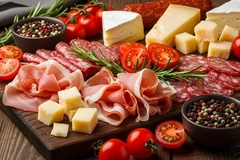
Higher consumption of some preservatives widely found in industrially processed foods and beverages may raise the risk of type 2 diabetes and cancer, according to two new studies.
Carried out by French researchers and published in The BMJ and Nature, the papers draw from the dietary data of more than 100,000 adult volunteers in the NutriNet-Santé prospective cohort.
“Findings from NutriNet-Santé may prompt regulatory agencies to revisit existing policies, such as setting stricter limits on use, requiring clearer labeling, and mandating disclosure of additive contents,” the researchers write.
Additionally, they urge that global monitoring initiatives, such as those implemented for trans fatty acids and sodium, could further support risk assessments and guide reformulation by the food industry.

The researchers flag that the 17 studied preservatives are commonly used. The Open Food Facts World database, with data on ingredients of 3.5 million foods and beverages, note that over 700,000 foods contained at least one of these substances in 2024.
In their assessments, the team grouped preservatives into two categories: non-antioxidants (which inhibit microbial growth or slow down the chemical changes that lead to food spoilage) and antioxidants (which delay or prevent food spoilage by eliminating or limiting oxygen levels in packaging).
As the research in both papers is observational, the authors caution that no firm conclusions can be drawn about cause and effect. They note that the studies require follow-up research to verify and better understand potential risks associated with food preservatives.
The dataset and study implications
The studies drew data from 105,260 participants aged 15 years and older — with an average age of 42 years, consisting of 79% women. They were enrolled in the NutriNet-Santé cohort study, free of cancer, and completed regular 24-hour brand-specific dietary records over an average of 7.5 years.
Food consumption data included the names and brands of the foods and beverages participants consumed.
Between 2009 and 2023, the volunteers reported their medical history, socio-demographic data, physical activity habits, and information about their lifestyle and health status.
This information, cross-referenced with several databases on food and its ingredients and combined with measurements of additives in food and beverages, provided a benchmark of participants’ exposure to preservatives over the course of the study.
In total, the studies assessed 17 additives. On ingredient labels, these typically correspond to European codes between E200 and E299 for non-antioxidants and between E300 and E399 for antioxidants.
Cancer and preservatives
The researchers note that some experimental studies have demonstrated that certain preservatives can damage cells and DNA. However, there has been limited evidence firmly linking preservatives to cancer risk.
In The BMJ paper examining the cancer risk variable, the team started by looking at people’s exposure to preservative food additives using comprehensive dietary and health data from 2009 to 2023.
 External expert Tom Sanders suggest the link between certain additives and cancer risk may actually be driven by confounding factors like high alcohol and processed meat consumption.Researchers used health questionnaires and official medical and death records to track cancer cases up to Dec 31, 2023.
In the follow-up period, 4,226 participants were diagnosed with cancer, comprising 1,208 breast, 508 prostate, 352 colorectal, and 2,158 other cancers.
Among the 17 individually studied preservatives, 11 were not associated with cancer incidence, and no link was found between total preservatives and cancer incidence.
However, higher intakes of several preservatives — mostly non-antioxidants including potassium sorbate, potassium metabisulfite, sodium nitrite, potassium nitrate, and acetic acid — were associated with a higher risk of cancers compared to non-consumers or lower consumers.
For instance, total sorbates, specifically potassium sorbate, were associated with a 14% increased risk of overall cancer and a 26% increased risk of breast cancer. Meanwhile, total sulfites were associated with a 12% increased risk of overall cancer.
Sodium nitrite was associated with a 32% increased risk of prostate cancer, while potassium nitrate was associated with an increased risk of overall cancer (13%) and breast cancer (22%).
Total acetates were associated with an increased risk of overall cancer (15%) and breast cancer (25%), while acetic acid was associated with a 12% increased risk of overall cancer.
Among the antioxidant preservatives, only total erythorbates and specific sodium erythorbate were found to be associated with a higher incidence of cancer.
“The participants who consumed most of these additives differed in several respects from those with low intakes: they consumed more processed meat, sugar, and salt, and less fruit and vegetables, and more women were taking oral contraceptives,” says Tom Sanders, professor emeritus of Nutrition and Dietetics at King’s College London, UK, an external commenter who was not involved with the study.
Sanders cautions that although the investigators tried to adjust for these differences in their statistical analysis, the marginally higher risk (13%) of cancer at age 60, in particular, could be due to an inability to completely correct for other factors already known to contribute to risk.
“It is already well established that processed meat products are associated with increased risk of cancer,” he notes. “Alcohol intake is strongly linked to risk of cancer and the association with sulphite intake noted may simply be an association between wine consumption and risk (sodium metabisulphite is used to kill yeast in winemaking).”
He also comments on nitrate, which he explains adds that The nitrate is converted to nitrite in curing meats — which prevents the deadly bacteria Clostridium botulinum — but it also leads to the formation of nitrosamines and nitrosamides, which are proven carcinogens. Banning the use of nitrates/nitrites would make products like cured ham unavailable. Sanders suggests an alternative would be to label foods that use nitrates or nitrites with a health warning.
Type 2 diabetes risk
The Nature study on type 2 diabetes risk associated with preservatives found an association between an overall higher consumption of preservative additives, non-antioxidant preservatives, and antioxidant additives with an increased incidence of type 2 diabetes, by 47%, 49%, and 40%, respectively, compared to the lowest levels of consumption.
Among the 17 preservatives studied individually, six widely used non-antioxidant food preservatives were linked to a greater risk of type 2 diabetes when consumed at high levels: potassium sorbate (E202), potassium metabisulfite (E224), sodium nitrite (E250), acetic acid (E260), sodium acetate (E262), and calcium propionate (E282).
“This is the first study in the world on the links between preservative additives and the incidence of type 2 diabetes. Although the results need to be confirmed, they are consistent with experimental data suggesting the harmful effects of several of these compounds,” says Mathilde Touvier, research director at the French National Institute of Health and Medical Research (Inserm), who coordinated this study.