



High-protein diet leads to “dramatic” cholera bacteria reduction in mice

Key takeaways
- New research suggests that protein-rich diets, specifically those containing casein and wheat gluten, can reduce cholera colonization in the gut of mice by up to 100-fold.
- The dietary protein works by disabling the bacteria’s “microscopic syringe” (T6SS), preventing it from injecting toxins and displacing healthy gut microbes.
- High-protein interventions offer a low-cost, low-risk alternative to antibiotics that can help fight infection without contributing to bacterial resistance.
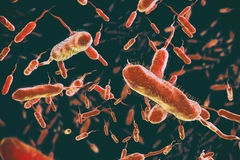
New research suggests that a high-protein diet could be an effective dietary approach to cholera infections. The study found that diets high in casein, the primary protein in milk and cheese, as well as wheat gluten, may “dramatically” reduce the amount of cholera bacteria that can infect the gut.
Since food has a strong effect on the gut microbiome, the researchers initially set out to learn if infectious and invasive microbes could be similarly affected by diet.
“We saw up to 100-fold differences in the amount of cholera colonization as a function of diet alone,” says senior author of the study, Ansel Hsiao, associate professor of microbiology and plant pathology from the Department of Microbiology and Plant Pathology, at the University of California, Riverside.

“I wasn’t surprised that diet could affect the health of someone infected with the bacteria. But the magnitude of the effect surprised me.”
Dietary influences on infectious disease
In their study published in Cell Host and Microbe, the researchers tested three diets based on how they affected cholera’s ability to colonize the gut of an infected mouse: one high in protein, another high in simple carbohydrates, and a third high in fat.
High-fat diets did little to slow the infection, while carbohydrates showed limited effects. However, the high-protein diet with dairy and wheat gluten diet “virtually shut the pathogen out.”
“The high-protein diet had one of the strongest anti-cholera effects compared to a balanced diet. And not all proteins are the same,” Hsiao explains. “Casein and wheat gluten were the two clear winners.”
The researchers found that the proteins suppressed a “microscopic syringe-like structure” on the surface of cholera bacteria that inject toxins into neighboring cells.
 Cholera remains a significant public health threat in areas of Asia and Sub-Saharan Africa where clean water access is limited.A key discovery was that muting this structure — known as the type 6 secretion system, or T6SS — made it harder for cholera to destroy other bacteria and colonize the gut.
A pervasive public threat
Cholera remains a significant public health threat in areas of Asia and Sub-Saharan Africa where clean water access is limited. While the condition is often treated with rehydration, prescribed antibiotics can only shorten the illness. However, they do not fully neutralize the toxins cholera leaves behind, stress the researchers.
Additionally, antibiotics overuse can lead to resistant bacteria. “Dietary strategies won’t generate antibiotic resistance in the same way a drug might,” Hsiao stresses.
The researchers believe dietary strategies may offer a low-cost, low-risk tool to reduce the severity or likelihood of infection in vulnerable human populations.
“Wheat gluten and casein are recognized as safe in a way a microbe is not, in a regulatory sense, so this is an easier way to protect public health,” Hsiao adds.
While the casein study findings come from mice, Hsiao expects high-protein diets might have similar effects for humans. The team plans to test these results on human microbiomes, as well as on other infectious bacteria.
“Some diets will be more successful than others, but if you try this for pathogens other than cholera, I suspect we’ll also see a beneficial effect,” Hsiao notes. “The more we can improve people’s diets, the more we may be able to protect people from succumbing to disease.”
Nutrition Insight previously met with a researcher who noted that diverse bacteria communities can protect the human gut from harmful pathogens by consuming nutrients these microorganisms need to grow.