


Glucose spotted as key driver of human brain evolution in study


Key takeaways
- Study findings suggest carbohydrates and glucose have played a key role in human brain evolution.
- Tracing back four million years of human evolution, the findings indicate early hominins may have obtained around 65% of their daily energy from sugars.
- The researchers argue that carbohydrate-rich foods have shaped human brain evolution, alongside animal foods.

Scientists have found evidence that fruit, honey, and other naturally sweet foods have helped fuel the evolution of the human brain, challenging the popular scientific standpoint of meat consumption being the main driver of human evolution.
By modeling the glucose needs of humans, tracing back four million years ago, the researchers found that natural sugar may have supplied energy for our growing brains before cooking made certain foods such as grains and tubers easier to digest.
“While animal foods were important, the brain’s need for glucose has largely received little attention from anthropologists,” says lead author of the study, Jennie Brand-Miller, professor of Human Nutrition at the University of Sydney Charles Perkins Centre and School of Life and Environmental Sciences, Australia.
She adds that raw starch does not release glucose, meaning early humans likely relied on naturally sweet foods long before grains became a regular part of the diet.
Feeding unusually large brains
Published in Science, the study notes that the human brain size has increased from weighing 300 g in Australopithicus afarensis to today’s 1,500 g in Homo sapiens over a period of four million years.
Today’s modern humans have unusually large brains for our body size, and therefore, they need a substantial amount of energy. As the human brain grew, so did the demand for glucose, explains Brand-Miller.
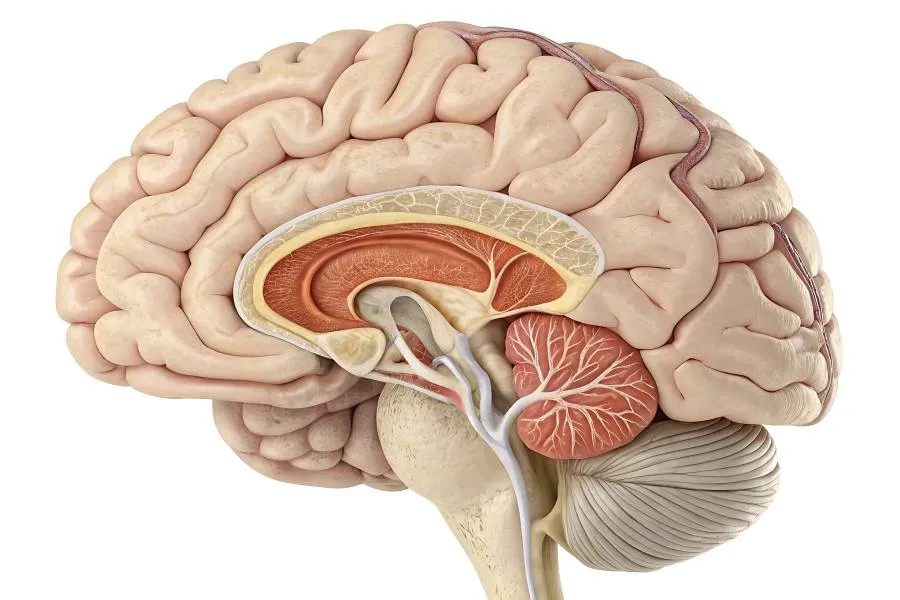 Today’s modern humans have unusually large brains for our body size, and therefore, they need a substantial amount of energy.Apart from the brain, glucose is also required for red blood cells, kidneys, and reproductive tissues, such as the fetus, placenta, and mammary glands. The researchers started with metabolic and nutritional considerations, including the glucose oxidation rate in the brain. Then, they calculated the “obligatory glucose demand” by these organs.
“Glucose is the brain’s primary energy source, and for much of human evolution, would have come from carbohydrates found in foods such as fruit and honey,” she says.
The team modeled the dietary intake and carbohydrate availability in six incremental steps, based on the ratio of animal to plant-based foods, against these obligatory glucose demands according to brain and body size.
“At step one, we used the known dietary composition of chimpanzee diets with an animal:plant energy ratio of 5:95. At step six, we applied two ratios based on contemporary warm-climate hunter-gatherers: 35:65 and 50:50. We integrated multiple lines of evidence, including food composition, metabolism and physiology, fossil isotope ratios, dental morphology, and genetic changes, to corroborate our findings,” reads the study.
The researchers found that the earliest hominins were likely frugivorous, consuming 65% of their daily energy intake in sugar from fruits and other naturally sweet foods. When fire was being used, glucose was replaced with cooked starch.
“At a ratio of 35:65 animal to plant energy, anatomically modern humans consumed 19% energy as protein, 25% energy as sugars, and 25% energy as starch,” according to the study. “Carbohydrate balance, the gap between dietary carbohydrate intake and glucose demand, becomes negative with higher ratios, increasing the likelihood of ketosis in reproductive females.”
Instinctive desire for sweet
The authors explain that beyond brain evolution, the findings also highlight the important role of glucose in pregnancy and lactation. Reproductive females were found to have a higher glucose need compared to other adults, because of increased needs from the placenta, fetus, and milk production.
“When we think about the foods that supported human evolution, we need to consider not only brain growth but also the nutritional requirements of pregnancy and raising children,” explains co-author of the study, David Raubenheimer, professor of Nutritional Ecology at the Charles Perkins Centre.
“The fetus and placenta place additional demands on glucose, increasing the need for carbohydrate-rich foods. This helps us understand why pregnant women often crave fruit.”
Meanwhile, children have a higher energy need from carbohydrates than adults, because their brains are claiming as much as two-thirds of their basal metabolic rate during development, explains Brand-Miller. She argues that our desire for sweetness is instinctive.
“For most of evolution, fruit and honey were valuable sources of energy that helped meet the body’s glucose needs. Sugars in nature are typically packaged within foods that also contain fiber, vitamins, minerals, and other beneficial compounds.”
She says understanding the role of carbohydrates alongside meat, fat, and protein provides a more complete picture of the human evolutionary journey.
“Our study suggests sugars and starches may have helped shape the development of the human brain and many of the traits that make us human.”
Beyond animal foods
The study also sheds light on the availability of fruits and honey, looking at seasonality, climate fluctuations, and geographic locations. The authors note that this may have impacted foraging behaviors — searching for foods — and thereby having an influence on brain growth and complexity, and extinctions.
 The researchers say even though animal foods were instrumental, changes in starch and sugar intake impacted human development, health, and diseases.They comment that even though animal foods were instrumental, changes in starch and sugar intake impacted human development, health, and diseases.
“Multiple lines of evidence, including color vision, teeth morphology, dental caries, and stable isotope ratios, suggest that the diet of early hominins was high in sugars. Our modern physiology and anatomy, including sweet taste receptors, smaller teeth, jaw, gut, and genetic variations relating to glucose metabolism, suggest genetic selection driven specifically by dietary carbohydrates.”
“People often think of carbohydrates as breads and cereals, but for most of human evolution, carbohydrates came from fruits, honey, and underground plant foods,” explains Brand-Miller. “The earliest evidence of seed grinding is 65,000 years ago, when we see the first evidence of grinding stones to make flour.”
The study notes that the evolution of a bigger brain is therefore a story of carbohydrate foods as much as it is of animal foods.
“The evidence suggests that carbohydrate-rich foods helped fuel the energy demands of our growing brains. Rather than fearing carbohydrates, people should focus on high-quality sources, including whole fruits, legumes, and nutritious grains, and prioritize a range of carbohydrate foods as part of a healthy diet,” concludes Brand-Miller.