



Brightseed bioactive ingredient shows potential glucose stability post GLP-1 use


Key takeaways
- A human trial found the bioactives NCT and NFT improved fasting glucose, insulin response, and post-meal glucose stability in prediabetic adults.
- Continuous glucose monitoring showed reduced time spent above healthy glucose levels, indicating fewer post-meal spikes and energy dips.
- Researchers position NCT/NFT as a clinical nutrition strategy to support glucose stability after discontinuation of GLP-1 drugs.

A study has found that supplementing with the naturally occurring bioactive compounds N-trans caffeoyltyramine (NCT) and N-trans feruloyltyramine (NFT) improves glycemic control markers in prediabetic adults. The ingredient was shown to stabilize blood sugar without weight loss, drug use, or changes in diet.
The health science innovation platform Brightseed recently commercialized the ingredient as BioMetaControl, containing the two compounds. Brought to market as a GLP-1 companion, the researchers highlight its ability to maintain blood sugar stability when patients discontinue the weight-loss drug.
“This study represents one of the first rigorous human clinical trials validating the glucose-regulatory potential of NCT and NFT,” says Swati Kalgaonkar, co-author and head of Medical & Scientific Affairs and Clinical Research at Brightseed.
“By integrating fasting biomarkers and continuous glucose monitoring, the research provides a more comprehensive picture of how these bioactives support glucose regulation in individuals at risk for metabolic disease.”
The study was funded by Brightseed and has been published in Bioactive Compounds in Health and Disease.
It was conducted by researchers at the National Diabetes, Obesity and Cholesterol Foundation (N-DOC) in New Delhi, India. They conducted a four-week trial involving 126 prediabetic participants with a BMI of 25 to 30.
Reducing blood sugar swings
The participants received either 120 mg/day of NCT/NFT or a placebo. The two compounds act as potent agonists of HNF4α — a transcription factor that plays a central role in insulin secretion, glucose sensing, and hepatic glucose production.
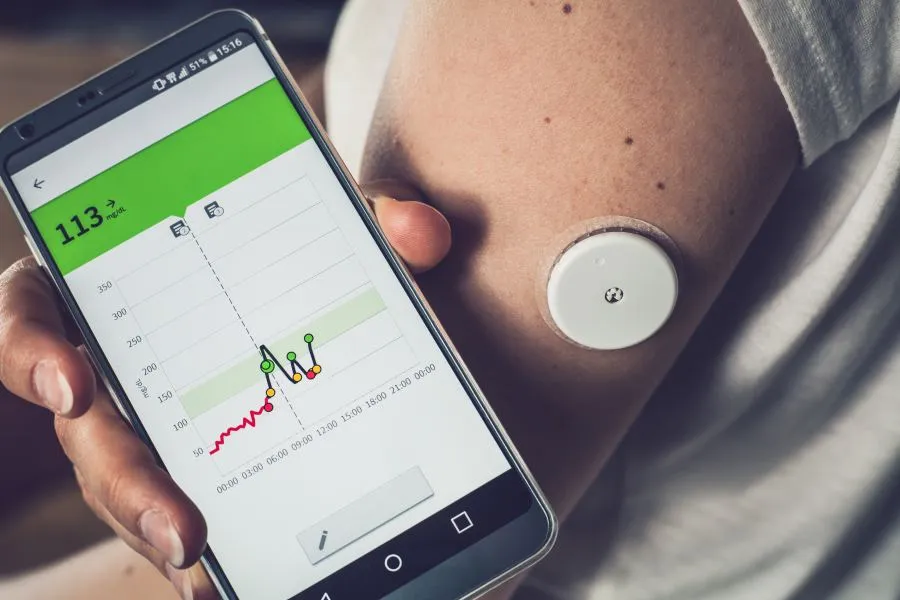 Participants who received the supplement experienced reductions in fasting blood glucose.Participants who received the supplement experienced reductions in fasting blood glucose and improvements in fasting insulin and postprandial glucose responses.
The researchers also observed a reduction in time spent outside the ideal glucose range, as measured by continuous glucose monitoring, in the NCT/NFT group compared to the placebo group. No change in body weight was observed in the intervention group.
“The incidence of prediabetes and type 2 diabetes continues to increase worldwide,” says Dr. Anoop Misra, co-author of the study and director at N-DOC.
“Once a blood glucose control target is achieved with drug intervention, daily consumption of functional food ingredients or nutraceuticals that support ongoing healthy blood glucose regulation is warranted.”
Study co-author Dr. Seema Gulati, head of the nutrition research group at N-DOC, adds: “Improved blood glucose regulation helps avoid glycemic excursions — energy highs and dips, as those felt by the study subjects before NCT/NFT supplementation — and this may explain the unsolicited testimonials received from the study subjects around feeling improved all-day energy levels.”
Zooming in on nutrients
The study concludes that its insights help establish NCT/NFT supplementation as a promising candidate for clinical nutrition strategies and functional food formulation to support healthy blood glucose regulation.
 The study highlights its potential for adults weaning off GLP-1 drugs to help maintain healthy blood glucose levels.It highlights that one such clinical nutrition strategy is for adults weaning off GLP-1 drugs to help maintain healthy blood glucose levels.
Brightseed says the study serves as a proof point for a more systematic and AI-driven approach to bioactive discovery. “One that connects biological insight, mechanistic reasoning, and clinical validation earlier in the innovation process.”
The company notes that the new findings highlight the potential role of dietary bioactives as part of a broader lifestyle- and nutrition-based approach to metabolic health, rather than prior research focused on pharmaceutical interventions.
Recent research has also shifted focus from pharma to nutrition. For example, one study found that the Nordic Diet — high in dietary fiber from whole grains, fruits, and vegetables, with a low percentage of saturated fat — could aid therapies for both type 2 diabetes and non-alcoholic fatty liver disease.
Scientists are stressing the need for prediabetic adults to focus on nutrition, given its essential role in blood glucose regulation.