



Nutrient-dense foods in pregnancy help boost birth weights in low-income regions

Key takeaways
- Food-based supplements combining energy, protein, and micronutrients significantly reduce the risk of high-risk, small vulnerable newborns in low- and middle-income countries.
- The protective benefits of these nutritional interventions are strongest when mothers begin taking them before the 20th week of pregnancy.
- Food-based supplements are more effective than tablets alone in food-insecure regions, but pose greater challenges regarding cost, logistics, and local acceptability.
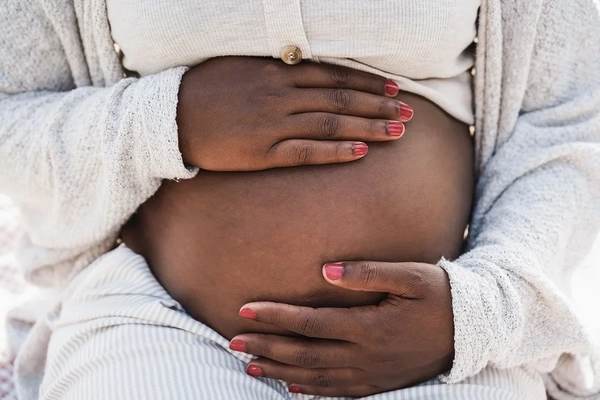
A study has found that improving maternal nutrition during pregnancy could be key to improving birth outcomes. Spanning eight clinical trials across Africa and South Asia, the study finds that food-based products — nutritional beverages or nutrient-dense pastes that boost calorie and protein intake — can help ensure healthier birth weights and fewer high-risk newborns.
Prenatal interventions have often focused on micronutrient supplements, but this study supports that food-based approaches to increase pregnant women’s calorie and protein intake — collectively referred to as balanced energy and protein (BEP) supplements — may better support fetal growth.
To learn about the findings’ broader applicability, Nutrition Insight speaks to the study’s lead author, Dongqing Wang, Ph.D., assistant professor of Global and Community Health at George Mason’s College of Public Health, US.

“Micronutrient supplements such as iron and folic acid or multiple micronutrient supplements are very important in antenatal care because they help fill gaps in vitamins and minerals,” he tells us. “But BEP supplements do something additional in that they provide additional energy and protein, in addition to micronutrients.”
“This matters because fetal growth depends not only on vitamins and minerals, but also on the mother having enough overall dietary energy and macronutrients to support pregnancy.”
In the study’s pooled analysis of randomized trials in low- and middle-income countries, BEP supplementation reduced several types of small vulnerable newborns, defined as babies born too soon (premature), too small, or both.
“The strongest reductions were seen for newborn types that are known to carry higher risks of newborn death and later health problems. Therefore, BEP can be a promising yet currently underutilized preventive intervention in antenatal care,” says Wang.
Practical and scalable approach
The study published in PLOS Medicine highlights that BEP supplements can be delivered through existing maternal health programs, making them a practical solution to scale.
.webp) Fetal growth depends not only on vitamins and minerals, but also on the mother having enough overall dietary energy and macronutrients to support pregnancy.Wang and his colleagues combined individual-level data from randomized controlled trials conducted in Nepal, The Gambia, Pakistan, and several other low- and middle-income settings.
Fetal growth depends not only on vitamins and minerals, but also on the mother having enough overall dietary energy and macronutrients to support pregnancy.Wang and his colleagues combined individual-level data from randomized controlled trials conducted in Nepal, The Gambia, Pakistan, and several other low- and middle-income settings.
The team compared outcomes for over 5,000 pregnant individuals who received BEP supplements with another 5,000 who did not. They found that the intervention effectively targets different combinations of birth risks.
The BEP strategy was first shown to cut the risk of a baby suffering from three major complications simultaneously — being born premature, abnormally small, and underweight — by 30%.
Secondly, for babies who were born premature and underweight but were otherwise growing at a normal pace for their time in the womb, the supplements reduced risks by 25%.
Next, even when a baby made it to full term, BEP supplements lowered the risk of restricted womb growth and low birthweight by 20%.
Across all three categories, researchers noted that these protective benefits are strongest when mothers begin taking the supplements before their 20th week of pregnancy.
“Many of the biological processes that shape fetal growth begin early in pregnancy; such processes include placental development, maternal blood volume expansion, and the transfer of nutrients to the fetus. Initiating BEP before 20 weeks gives the mother and fetus more time to benefit from the BEP supplement during these critical windows,” Wang details.
Dangers of focusing on micronutrients
Wang says that additional protein and energy will be beneficial for pregnant women in resource-poor settings with high food insecurity and suboptimal dietary quality and diversity. In these contexts, providing only micronutrients — such as through iron and folic acid supplements or multiple micronutrient supplements — may not be adequate for preventing or correcting maternal and child undernutrition.
“In our study, BEP appeared to have stronger effects than previously reported effects of multiple micronutrient supplements for some small vulnerable newborn types, especially outcomes closely related to fetal growth restriction,” he notes.
“Therefore, in food-insecure or undernourished populations, BEP may be best understood as a complementary, food-based intervention that addresses nutritional needs tablets alone may not fully meet.”
.webp) Prenatal interventions have often focused on micronutrient supplements, but this study supports that food-based approaches to increase pregnant women’s calorie and protein intake may better support fetal growth.Wang says it is also essential to note that BEP refers to ready-to-use or ready-to-be-cooked foods where less than 25% of the energy comes from protein content. “It is very different from high-protein supplements, such as over 25% of energy from protein content, which have been proven to actually confer greater risks to the mother and the fetus.”
Prenatal interventions have often focused on micronutrient supplements, but this study supports that food-based approaches to increase pregnant women’s calorie and protein intake may better support fetal growth.Wang says it is also essential to note that BEP refers to ready-to-use or ready-to-be-cooked foods where less than 25% of the energy comes from protein content. “It is very different from high-protein supplements, such as over 25% of energy from protein content, which have been proven to actually confer greater risks to the mother and the fetus.”
Future directions
For nutrition companies, Wang says these results highlight an opportunity and a responsibility.
“The opportunity is to develop maternal nutrition products that are affordable, acceptable, shelf-stable, safe, and designed for real-world public health delivery, not just for premium consumer markets,” he notes.
“The responsibility is to ensure that products are evidence-based, balanced in composition, and tested in the populations where they will be used.”
He also stresses that BEP should not be interpreted as simply “more protein.” “BEP refers to a balanced supplement in which protein provides less than 25% of total energy.”
“It is also very important to note that BEP is a promising maternal nutrition intervention for undernourished and food-insecure settings, not a universal substitute for healthy diets, prenatal care, or public health systems.”
However, scaling up BEP is more complex than distributing a tablet, Wang stresses. Health programs have the responsibility of deciding who should receive the supplement, how early in pregnancy women can be reached, which delivery platform to use, and how to monitor whether women actually consume the supplement regularly.
“There are also practical challenges around procurement, storage, transport, shelf life, staff training, counseling, and cost,” Wang adds. “Another challenge is acceptability. A BEP product has to taste good, fit local food preferences, and be easy to consume daily.”
“Programs also need to consider whether supplements are shared within households, whether women have family support, and whether counseling messages are clear and culturally appropriate. The most successful programs will likely be those that combine a good product with strong antenatal care, community delivery, behavior-change communication, and reliable supply chains.”
Wang is currently conducting further research in Ethiopia that examines the cost-effectiveness of different approaches to BEP supplementation.