




Engineers develop smart ring that could monitor glucose levels through sweat

Key takeaways
- Engineers have developed a wearable ring that has the potential to monitor glucose, ketones, lactate, uric acid, and alcohol through sweat.
- Testing showed that glucose and ketone readings were comparable to commercial monitoring devices.
- The ring is rechargeable and sends data to an app that could support personalized nutrition and diabetes care, although further development is required.
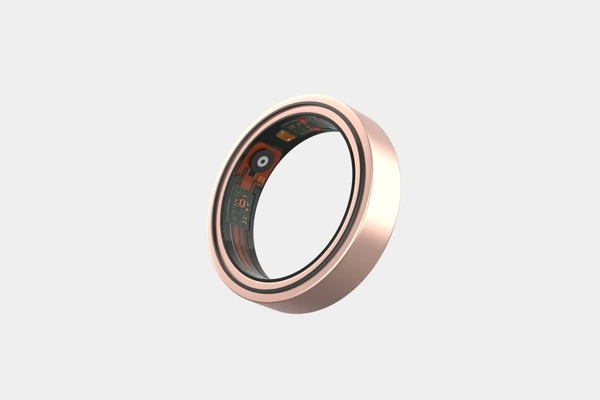
US-based engineers have created a wearable ring that can monitor different chemical biomarkers simultaneously. The ring can monitor glucose, uric acid, lactate, ketones, and alcohol levels from sweat, creating potential applications for health care monitoring, including diabetes.
The researchers say that the ring extends “beyond commercial smart rings by continuously assessing biochemical changes and advancing the development of next-generation personalized and miniaturized health care technologies.”
“A ring capturing dynamic molecular information in real time would be extremely useful for making informed decisions regarding health, diet, and lifestyle,” says Joseph Wang, professor in the Aiiso Yufeng Li Family Department of Chemical and Nano Engineering at the University of California, San Diego, Jacobs School of Engineering, US.

“For example, the ring’s ability to track both glucose and ketone continuously and simultaneously would greatly benefit optimal insulin dosing for the management of diabetes.”
The detection does not require the user to sweat from exercise or other physical effort, as sweat is passively drawn to the surface by a technique created by the engineers.
“Commercial rings only provide biophysical information, but they lack molecular information about biochemical markers that offer deeper insights about an individual’s health status,” says the study’s first author, Tamoghna Saha, a postdoctoral researcher in Wang’s lab.
The prototype biomarker smart ring includes the necessary biomarker sensing technology, is a low-powered electronic, and has a rechargeable battery that lasts up to 12 hours between charges.
Mirroring commercial monitors
The new wearable device was tested on healthy participants and people with type 1 diabetes, with results published in nature communications. The glucose readings were comparable to those from commercial glucose monitors, and the ketone levels were similar to those of commercial blood meters.
 Image CaptionThe ring draws sweat passively through the osmotic hydrogel — a soft polymer creating pressure to painlessly pull fluid from the skin. The data is then sent from the ring to a smartphone app.
The engineers say the technology works similarly to how water travels from the soil to the leaves in plants. The sweat is analyzed by an electrochemical sensor array within the ring.
They explain: “Through repeated measurements, subject-specific calibration factors are established to convert current responses into concentration values. These calibration factors enable more personalized insight into the biomarker trends.”
The authors note that the first draft of the study has been published and therefore, changes after final editing may occur.
Increased interest
The study notes that wearable health-tracking rings have recently gained significant traction, and many companies are creating rings that measure multiple areas, including heart rate variability, calories, blood oxygen levels, sleep patterns, and body temperature.
However, these rings are more useful for tracking fitness rather than collecting data on the body’s underlying biomolecular dynamics.
Nutrition Insight recently sat down with experts from ADM, Balchem, Lactalis Ingredients, Sirio, and BioViVo Sciences to discuss how technology and AI are reshaping the sports nutrition industry.
ADM told us that wearable devices and digital health platforms now generate large volumes of data related to activity levels, sleep quality, stress, recovery, and hydration status. “AI-powered platforms can analyze these data streams and provide individualized recommendations regarding nutrition, supplementation, hydration, and recovery strategies.”
Lactalis Ingredients added that from a consumer’s standpoint, technology and AI are turning nutrition “from a guessing game into a seamless, highly personalized, and stress-free experience.”