




Over 41 Million Children Under 5 Are Overweight Globally Claims WHO Report

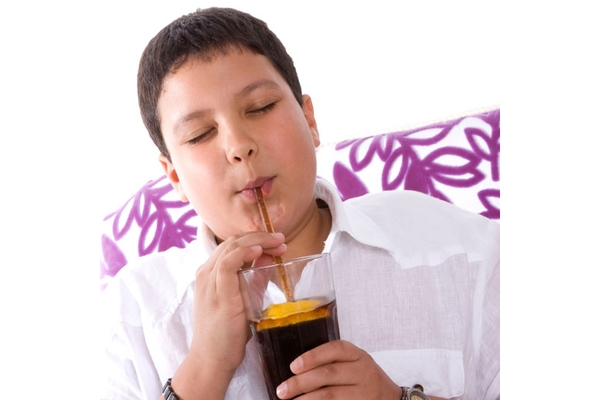
27 Jan 2016 --- The Commission on Ending Childhood Obesity (ECHO) presented its final report to the WHO Director-General this week, culminating a two-year process to address the alarming levels of childhood obesity and overweight globally.
The ECHO report proposes a range of recommendations for governments aimed at reversing the rising trend of children aged under 5 years becoming overweight and obese. At least 41 million children in this age group are obese or overweight, with the greatest rise in the number of children being obese or overweight coming from low- and middle-income countries.
“Increased political commitment is needed to tackle the global challenge of childhood overweight and obesity” says Sir Peter Gluckman, Commission co-chair. "WHO needs to work with governments to implement a wide range of measures that address the environmental causes of obesity and overweight, and help give children the healthy start to life they deserve."

Fellow Commission co-chair, Dr Sania Nishtar, adds: "Overweight and obesity impact on a child’s quality of life, as they face a wide range of barriers, including physical, psychological and health consequences. We know that obesity can impact on educational attainment too and this, combined with the likelihood that they will remain obese into adulthood, poses major health and economic consequences for them, their families and society as a whole."
According to the report, many children are growing up today in environments encouraging weight gain and obesity. Driven by globalization and urbanization, exposure to unhealthy (obesogenic) environments is increasing in high-, middle- and low-income countries and across all socioeconomic groups. The marketing of unhealthy foods and non-alcoholic beverages was identified as a major factor in the increase in numbers of children being overweight and obese, particularly in the developing world.
Overweight prevalence among children aged under 5 years has risen between 1990 and 2014, from 4.8% to 6.1%, with numbers of affected children rising from 31 million to 41 million during that time. The number of overweight children in lower middle-income countries has more than doubled over that period, from 7.5 million to 15.5 million.
In 2014, almost half (48%) of all overweight and obese children aged under 5 lived in Asia and one-quarter (25%) in Africa. The number of overweight children aged under 5 in Africa has nearly doubled since 1990 (5.4 million to 10.3 million).
The ECHO Report has 6 main recommendations for governments:
Promote intake of healthy foods
Implement comprehensive programs that promote the intake of healthy foods and reduce the intake of unhealthy foods and sugar-sweetened beverages by children and adolescents (through, for example, effective taxation on sugar-sweetened beverages and curbing the marketing of unhealthy foods).
Implement comprehensive programs that promote the intake of healthy foods and reduce the intake of unhealthy foods and sugar-sweetened beverages by children and adolescents (through, for example, effective taxation on sugar-sweetened beverages and curbing the marketing of unhealthy foods).
Promote physical activity
Implement comprehensive programs that promote physical activity and reduce sedentary behaviors in children and adolescents.
Implement comprehensive programs that promote physical activity and reduce sedentary behaviors in children and adolescents.
Preconception and pregnancy care
Integrate and strengthen guidance for the prevention of non-communicable diseases (NCDs) with current guidance on preconception and antenatal care (to reduce risk of childhood obesity by preventing low or high birth weight, prematurity and other complications in pregnancy).
Integrate and strengthen guidance for the prevention of non-communicable diseases (NCDs) with current guidance on preconception and antenatal care (to reduce risk of childhood obesity by preventing low or high birth weight, prematurity and other complications in pregnancy).
Early childhood diet and physical activity
Provide guidance on, and support for, healthy diet, sleep and physical activity in early childhood and promote healthy habits and ensure children grow appropriately and develop healthy habits (by promoting breastfeeding; limiting consumption of foods high in fat, sugar and salt; ensuring availability of healthy foods and physical activity in the early child care settings).
Provide guidance on, and support for, healthy diet, sleep and physical activity in early childhood and promote healthy habits and ensure children grow appropriately and develop healthy habits (by promoting breastfeeding; limiting consumption of foods high in fat, sugar and salt; ensuring availability of healthy foods and physical activity in the early child care settings).
Health, nutrition and physical activity for school-age children
Implement comprehensive programs that promote healthy school environments, health and nutrition literacy and physical activity among school-age children and adolescents (by establishing standards for school meals; eliminating the sale of unhealthy foods and drinks and; including health and nutrition and quality physical education in the core curriculum);
Implement comprehensive programs that promote healthy school environments, health and nutrition literacy and physical activity among school-age children and adolescents (by establishing standards for school meals; eliminating the sale of unhealthy foods and drinks and; including health and nutrition and quality physical education in the core curriculum);
Weight management
Provide family-based, multi component, lifestyle weight management services for children and young people who are obese.
Provide family-based, multi component, lifestyle weight management services for children and young people who are obese.
The ECHO findings urge WHO to institutionalize, throughout the Organization, a cross-cutting and life-course approach to ending childhood obesity. The report also identifies a range of actions to be undertaken by other players, calling for nongovernmental organizations to raise the profile of childhood obesity and advocate for improvements in the environment, and for the private sector to support the production and improved access to foods and beverages that contribute to a healthy diet.
All content and features on this website are copyrighted with all rights reserved. The full details can be found in our privacy statement