




CSPI urges US food industry to expand folic acid fortification of corn products to tackle birth defects


Key takeaways
- Corn tortillas fortified with folic acid are increasing in the US, aimed at reducing neural birth defects, particularly in Latine populations.
- State-level mandates and industry adoption are positioning corn masa products as a key vehicle for improving folate intake, with measurable public health impact potential.
- Misinformation around folic acid and genetic conditions is creating regulatory and market challenges, with stakeholders warning it could undermine progress in fortification initiatives.
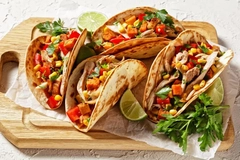
The Center for Science in the Public Interest (CSPI) has released a report revealing an increase in corn tortillas fortified with folic acid in the US compared to three years ago. The move is expected to decrease spinal birth defects, especially among populations, such as Latine, that have a reported lower intake of folic acid.
The US FDA has urged food companies to fortify corn masa flour-based products with folic acid to increase people’s intake of folate. Folate is crucial for pregnant women, as it has been shown to decrease the risk of birth defects, including spina bifida and anencephaly.
Fortifying foods with folic acid is therefore a safe and effective way to increase the population’s overall consumption of the essential nutrient.

The CSPI reported in 2023 that companies had started to fortify corn-based foods with folic acid, although none yet provided a ready-to-eat product such as a tortilla. They called on the industry to start fortifying their products as a move to protect infant health.
Corn masa products have been chosen as they are a staple product in Latin American cuisine. In comparison to other racial and ethnic groups, the Latine community faces elevated rates of neural birth defects, according to the CSPI.
The FDA forecasts that fortification could increase Mexican American women’s folic acid intake by 21%.
Furthermore, the CSPI says California and Alabama have moved to help infants by passing laws making folic acid fortification mandatory on corn masa products sold in their states.
 Recent misinformation on folic acid fortification has been circulating in the US.Growing misinformation
Recent misinformation on folic acid fortification has been circulating in the US. Unfounded claims about the safety and benefits of folic acid for people with certain MTHFR genetic mutations have seen an increase, threatening to undermine recent progress.
The CSPI says dietary supplement companies and genetic testing services are capitalizing on this misinformation, selling “unnecessarily expensive and potentially harmful” products as an alternative to folate.
It continues to argue that the Secretary of Health and Human Services, Robert F. Kennedy, Jr., has elevated these alleged risks. Last year, he criticized California’s corn masa fortification law and elevated the false claims of folic acid posing a risk to people with certain genetic traits.
“Secretary Kennedy called California’s fortification law ‘insanity,’ but what’s truly insane is that our nation’s top health official is spreading false claims and frightening people into avoiding a nutrient that’s proven to prevent birth defects and save babies’ lives,” says CSPI senior policy scientist Eva Greenthal.
“Kennedy should be championing folic acid fortification as an evidence-based public health intervention grounded in gold-standard science.”
When Kennedy was elected to the position, various concerns were raised by the CSPI, FDA, and industry members due to his lack of medical training and “anti-scientific positions.” The organization’s president, Dr. Peter G. Lurie, told Nutrition Insight that Kennedy has “none of the relevant credentials or qualifications you’d want to see in a secretary for Health and Human Services.”
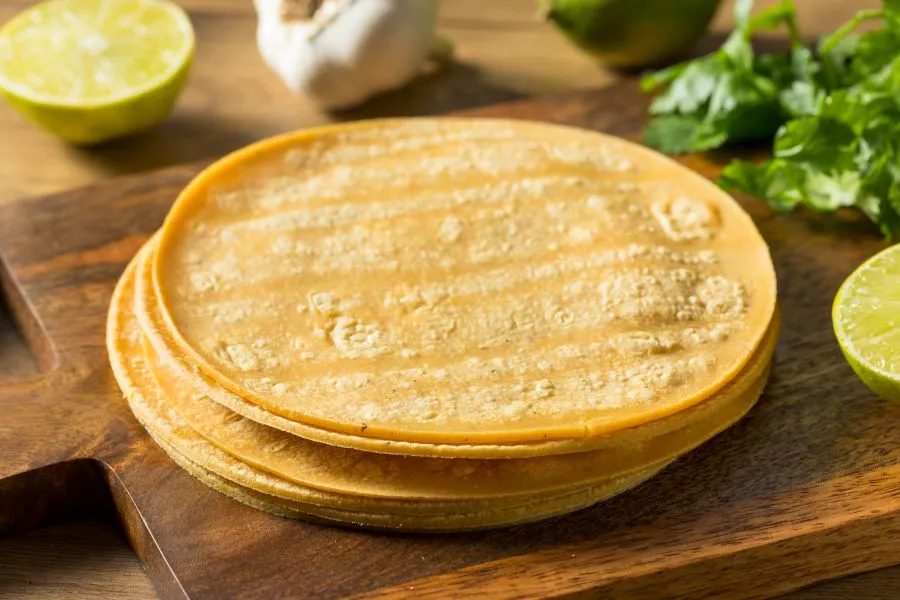 Food fortification has recently been highlighted in various studies due to its health benefits and cost-effectiveness.Small change big outcome
Food fortification has recently been highlighted in various studies due to its health benefits and cost-effectiveness.
A comprehensive economic analysis of food fortification demonstrates it is a potential solution to global malnutrition and a cost-effective way to tackle hidden hunger in over 63 countries. It reviewed 56 studies, including 200 economic analyses. The paper demonstrated that food fortification is a great investment, as the “benefits far outweigh the costs.”
Meanwhile, a landmark study demonstrated that food fortification currently prevents seven billion nutrient gaps globally at a cost of US$0.18 per person, with a return on investment of US$27 per dollar for health and productivity. The study authors said that with the right approach, food fortification could triple its overall impact and could prevent nutrient gaps in folate (2.6 billion), vitamin A (2.5 billion), zinc (2.2 billion), vitamin B6 (2 billion), and iron (1.6 billion).
The CSPI is urging the FDA and the food industry to continue their efforts for increased infant health and expand their corn fortification progress to other products.